Author: Zander (Page 4 of 13)

Favorite Science Fiction Novels, 1900-1949

  • The Lost World (1912), by Arthur Conan Doyle
  • A Voyage to Arcturus (1920), by David Lindsay
  • Brave New World (1932), by Aldous Huxley
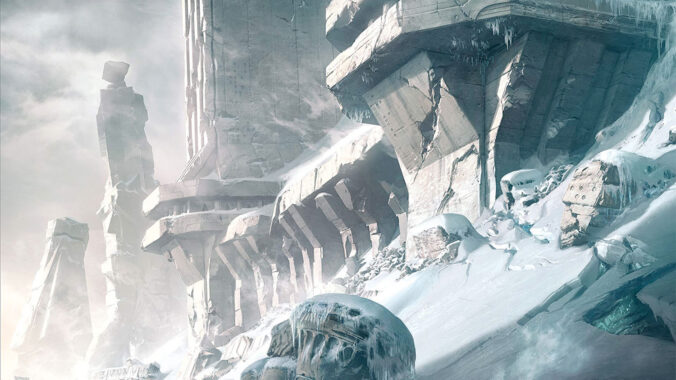
  • At the Mountains of Madness (1936), by H.P. Lovecraft
  • Who Goes There? (1938), by Don A. Stuart
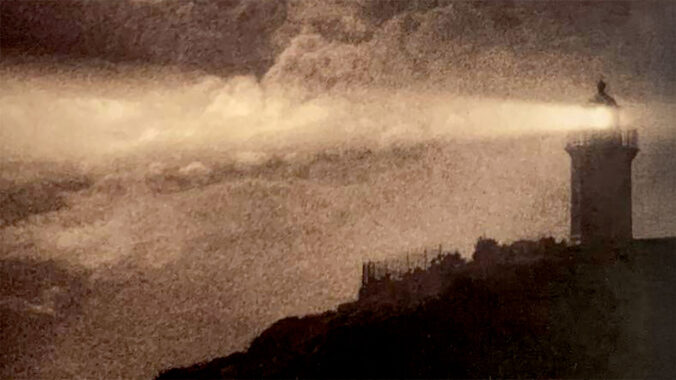
  • The Invention of Morel (1840), by Adolfo Bioy Casares
  • Donovan’s Brain (1942), by Curt Siodmak
  • Nineteen Eighty-Four (1949), by George Orwell

In chronological order.
Two Dark Carnivals, Two Very Different Kinds of Magic

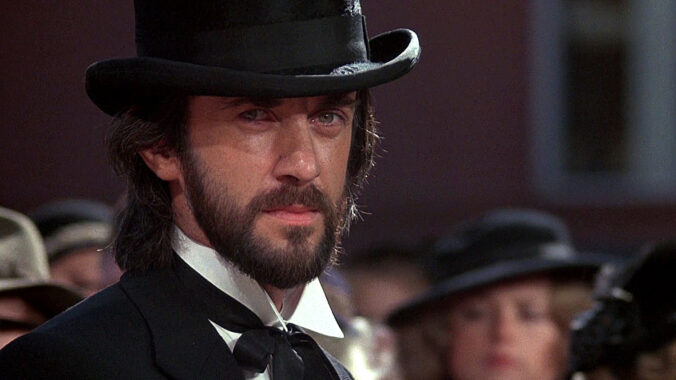
There is a particular kind of American fantasy that rolls into town on squeaky wheels: a carnival, a circus, a sideshow. It promises wonder, then quietly reorders your soul. Charles G. Finney’s The Circus of Dr. Lao (1935) drops a surreal menagerie into a dusty Arizona town. Ray Bradbury’s Something Wicked This Way Comes (1962) delivers a traveling nightmare to a small town in Illinois, baiting people with the one thing they want most. The enduring appeal of these fantasies becomes even more apparent when examining their film adaptations, which reveal as much about Hollywood as about the books themselves.

Continue reading →

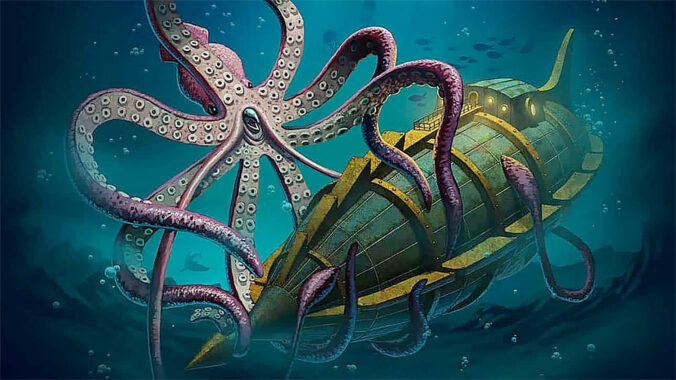
Favorite Science Fiction Novels, 19th century

  • Frankenstein (1818), by Mary Shelley
  • The Narrative of Arthur Gordon Pym of Nantucket (1838), by E.A. Poe
  • Twenty Thousand Leagues Under the Seas (1869), by Jules Verne
  • Strange Case of Dr Jekyll and Mr Hyde (1886), by R.L. Stevenson
  • The Time Machine (1895), by H.G. Wells

In chronological order.

Dungeons & Dragons Supervillains

In my last batch of Dungeons & Dragons superheroes, I included one supervillain. Here are a few more, for your roleplaying adventures. MagnetoRace: Mountain Dwarf (Arcane-Touched)Class: Wizard (Graviturgy or Transmutation) Dwarves are intrinsically tied to metal, stone, and craftsmanship. Graviturgy represents attraction, repulsion, and control of mass, a good mechanical translation of magnetism without modern physics. Transmutation reinforces his ability to reshape metal, weapons, and terrain. Wizardry also emphasizes Magneto’s intellect, planning, and ideological certainty rather than brute force. Signature ability: Metal Dominion – can disarm entire armies by wrenching steel from their hands. LokiRace: Changeling or EladrinClass: Warlock (Archfey)

Continue reading →

The Harry Palmer Trilogy

Between 1965 and 1967, British cinema produced an unlikely espionage trilogy centered on an unglamorous, bespectacled intelligence officer named Harry Palmer. Adapted from Len Deighton’s novels and starring a then-young Michael Caine, these films (The Ipcress File, Funeral in Berlin, and Billion Dollar Brain) were conceived as a realistic alternative to the wildly successful James Bond franchise. Yet within just three years, the series evolved from sharp anti-Bond realism to stylistic excess, reflecting both the creative volatility of 1960s British cinema and the limits of translating Deighton’s dry, ironic prose into spectacle. Len Deighton’s 1962 novel The Ipcress File was

Continue reading →

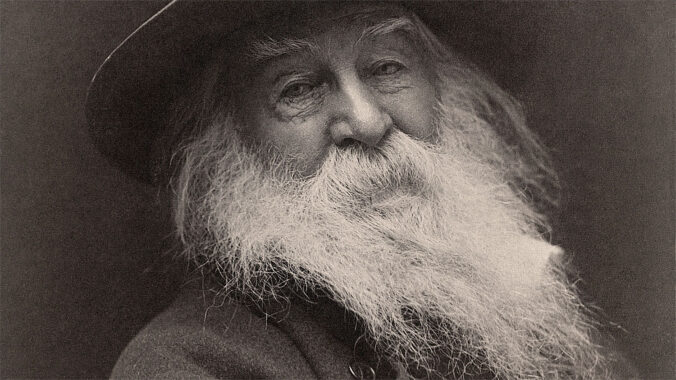
Epic Beards

In alphabetical order.

  • Johannes Brahms
  • Charles Darwin
  • Friedrich Engels
  • Giuseppe Garibaldi
  • Karl Marx
  • Leonardo da Vinci
  • Walt Whitman
  • ZZ Top

More Dungeons & Dragons Superheroes

For those who enjoyed my medieval D&D superheroes (and asked for more), here is a new batch, around the Fantastic Four theme. Invisible WomanRace: High ElfClass: Wizard (Abjuration) Abjurers create protective shields, perfect analog to Sue’s forcefields. High Elves have innate magical talent. Her invisibility is classic arcane magic, but flavored as bending light via abjuration barriers. Signature ability: Veil Dome – a nearly transparent arcane sphere that blocks damage, mimicking the classic force bubble. Mister FantasticRace: Simic Hybrid or ChangelingClass: Wizard (Transmutation) Simic Hybrids allow biomagical adaptations. Changelings allow body reshaping. Either fits. Transmutation magic fits his scientific, experimental

Continue reading →

Favorite Horror Novels, 21th century

  • House of Leaves (2000), by Mark Z. Danielewski
  • Let the Right One In (2004), by John Ajvide Lindqvist
  • Haunted (2005), by Chuck Palahniuk
  • Cold Skin (2005), by Albert Sanchez Pinol
  • The Ruins (2006), by Scott Smith
  • The Terror (2007), by Dan Simmons
  • Bird Box (2014), by Josh Malerman
  • Tender Is the Flesh (2017), by Agustina Bazterrica

Four Mutinies on the Bounty

Few sea stories have captured the public imagination like the Mutiny on the Bounty. In April 1789, a group of sailors on HMS Bounty, led by the young master’s mate Fletcher Christian, seized the ship from the irascible Lieutenant William Bligh and cast him and his loyalists adrift. The mutineers would scatter across the Pacific, hiding on Tahiti or disappearing into the isolation of Pitcairn Island, while Bligh undertook one of the most astonishing open-boat voyages in maritime history. Because the surviving accounts sharply contradict one another, the tale was destined to become a battleground of interpretation: a perfect canvas

Continue reading →

« Older posts Newer posts »

© 2026 Zander Dulac

Theme by Anders Noren — Up ↑