Page 3 of 13

Complaining about the Guardian’s Top 100 Best Novels

I just saw the new Guardian’s 100 Best Novels of All Time list, created by “170 authors, critics and academics from around the world”, and I was appalled. The top of the list leans heavily toward what might be called “prestige seriousness”: books that are endlessly taught, endlessly written about, and endlessly admired partly because admiring them signals cultural literacy. So you get the almost ritual elevation of Pride and Prejudice, Anna Karenina, and In Search of Lost Time near the summit. Now, are these important novels? Obviously. But “important” and “greatest reading experiences for actual human beings” are not

Continue reading →

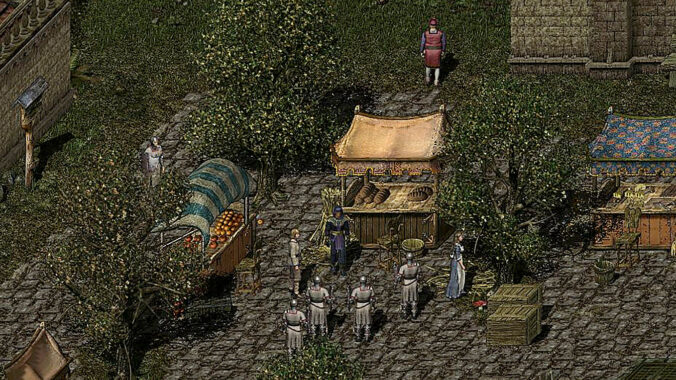
Playing Old CRPGs Again: the Divinity series

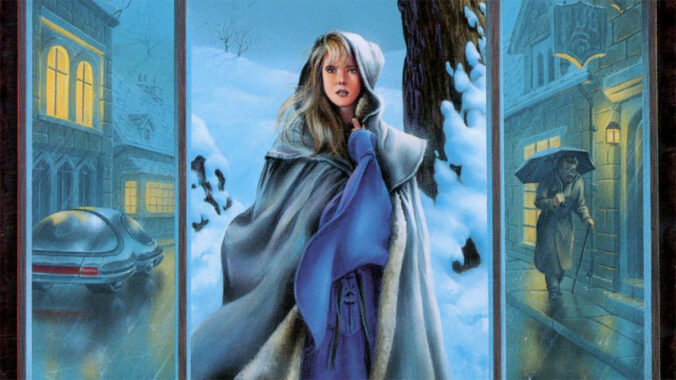
My plan was to play Larian’s Divinity series next. I had played all the games when they were launched, and was eager to return to the world of Rivellon. Then I found out that the first five games no longer work on an updated Mac computer. Fortunately, the two more recent games still work, Divinity: Original Sin (2015) and Divinity: Original Sin II (2017), and that’s what I’m going to play next, while waiting for the upcoming ninth title in the series, Divinity, which doesn’t have a launch date yet. These games are very enjoyable and also very large, and

Continue reading →

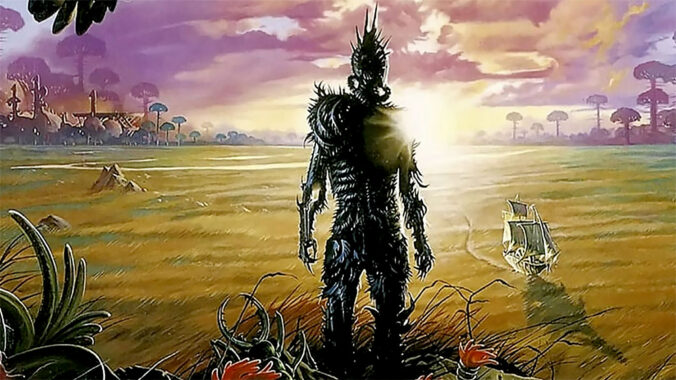
Favorite Science Fiction Novels, 1970-1979

  • Tau Zero (1970), by Poul Anderson
  • The Dancers at the End of Time (1972), by Michael Moorcock
  • Time Enough for Love (1973), by Robert A. Heinlein
  • The Forever War (1976), by Joe Haldeman
  • The Hitchhiker’s Guide to the Galaxy (1979), by Douglas Adams

In chronological order.

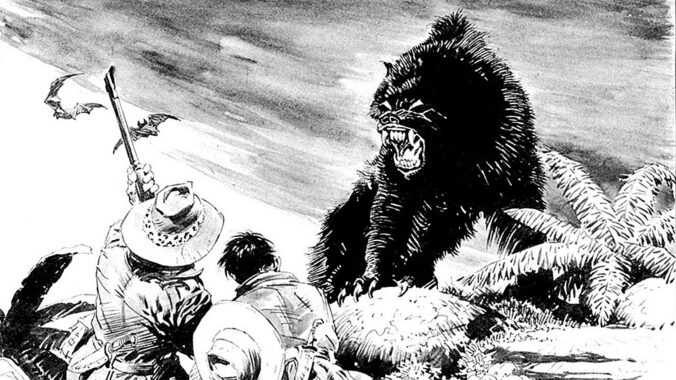
The First Creepy

In the late 1950s, American horror comics were effectively dead, or so it seemed. The moral panic that followed the publication of Seduction of the Innocent and the subsequent creation of the Comics Code Authority had wiped out the most creative and subversive publishers of the previous decade, most notably EC Comics. The lurid, poetic, and morally cruel horror stories of Tales from the Crypt, The Vault of Horror, and The Haunt of Fear vanished almost overnight, taking with them an entire generation of writers and artists who had perfected the form. One man saw opportunity where others saw only

Continue reading →

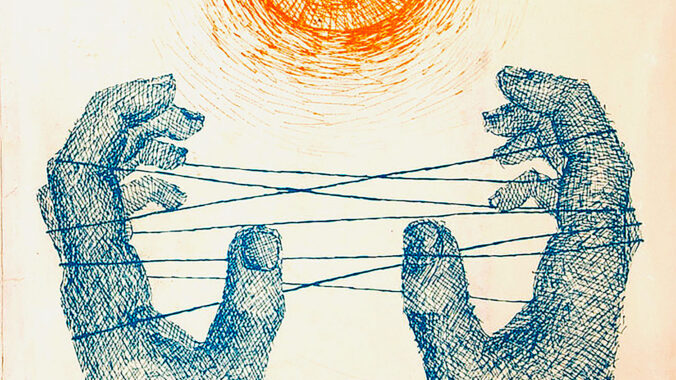
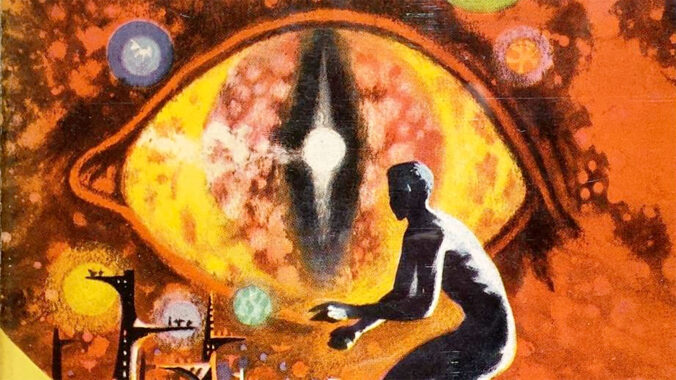
Favorite Science Fiction Novels, 1960-1969

  • Solaris (1961), by Stanislaw Lem
  • The Man in the High Castle (1962), by Philip K. Dick
  • Cat’s Cradle (1963), by Kurt Vonnegut
  • La Nuit des Temps (1968), by René Barjavel
  • The Left Hand of Darkness (1969), by Ursula K. Le Guin

In chronological order.

28 Days/Weeks/Years: Rage, Ruin, and Rewriting the Infected

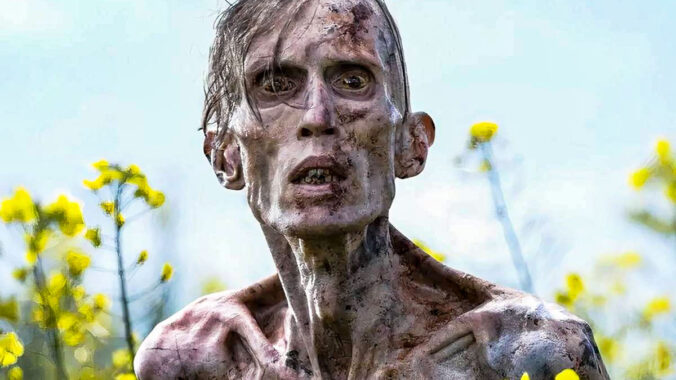
When 28 Days Later (Danny Boyle, 2002) appeared, it did not simply revive the zombie film. It replaced it with something leaner, faster, and more psychologically pointed. The infected were not undead bodies driven by hunger but living humans stripped down to a single overwhelming impulse. That conceptual precision gave the film its force. The famous opening, Jim (Cillian Murphy) waking alone in a hospital and wandering through an emptied London, has often been compared to the later beginning of the tv series The Walking Dead, but the resemblance is mostly structural. In Boyle and Garland’s film the hospital is

Continue reading →

Favorite Science Fiction Novels, 1950-1959

  • The Day of the Triffids (1951), by John Wyndham
  • More Than Human (1952), by Theodore Sturgeon
  • The Demolished Man (1952), by Alfred Bester
  • Fahrenheit 451 (1953), by Ray Bradbury
  • Childhood’s End (1953), by Arthur C. Clarke
  • The End of Eternity (1955), by Isaac Asimov
  • The Stars My Destination (1956), by Alfred Bester
  • A Canticle for Leibowitz (1959), by Walter M. Miller Jr

In chronological order.

Yet More Dungeons & Dragons Superheroes

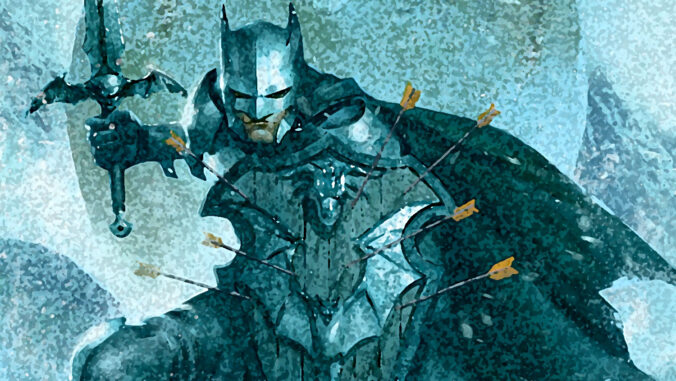
Some people asked me if all my superhero conversions to Dungeons & Dragons were from Marvel characters. Well, here is a batch of DC characters adapted to the world of Faerûn. BatmanRace: HumanClass: Rogue (Inquisitive) / Monk (Shadow) Batman’s defining trait is that he is only human. No divine blood, no arcane mutation, just discipline, preparation, and will. In D&D terms, humans best represent relentless self-perfection and adaptability. His legend is built, not inherited. Inquisitive Rogue represents investigation, deduction, and battlefield awareness. Way of Shadow Monk provides stealth, sudden mobility, and fear-based presence. Special ability: Prepared for Everything – once

Continue reading →

« Older posts Newer posts »

© 2026 Zander Dulac

Theme by Anders Noren — Up ↑