- Tintin (Hergé)
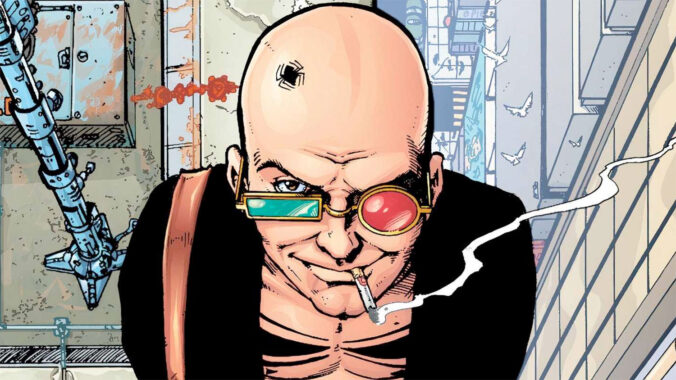
- Spider Jerusalem (Warren Ellis & Darick Robertson)
- Ben Urich (Roger McKenzie & Gene Colan)
- Brenda Starr (Dale Messick)
Page 2 of 13
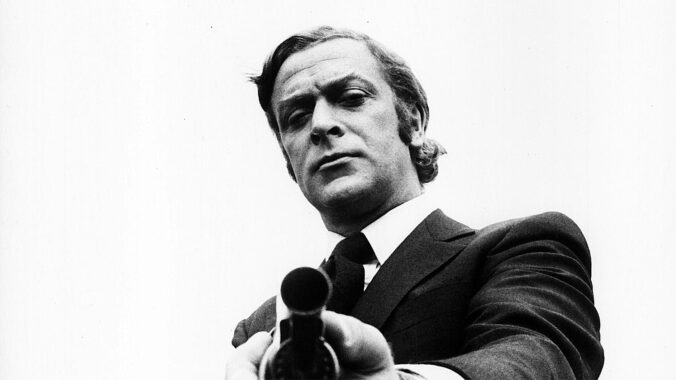
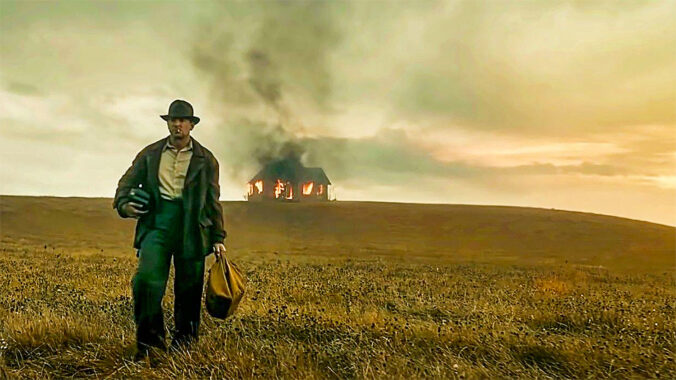
Ted Lewis’s Jack’s Return Home (1970) occupies an interesting position in crime fiction history. It is not as famous as the film it inspired, yet it is arguably one of the foundational texts of modern British noir. Before Lewis, British crime fiction often retained traces of the gentleman detective, the police procedural, or the thriller. Lewis dragged the genre into something nastier, more provincial, and more psychologically damaged. His England is not the picturesque England of village mysteries but a decaying industrial landscape full of petty criminals, corruption, class resentment, and moral rot. It begins with the blunt, almost absurd
- Secret Agent X-9 (Dashiell Hammett & Alex Raymond)
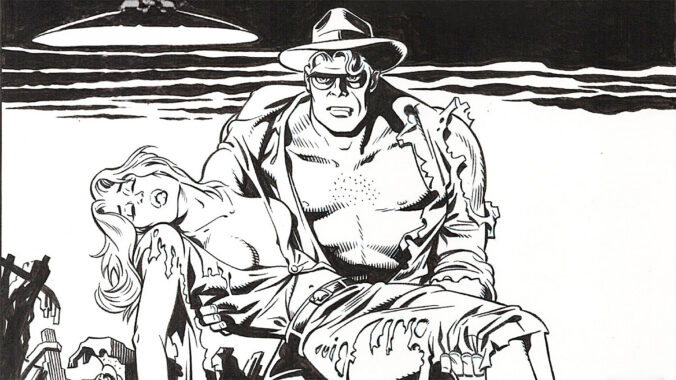
- Denny Colt, aka The Spirit (Will Eisner)
- Dick Tracy (Chester Gould)
- Blacksad (Juan Díaz Canales and Juanjo Guarnido)
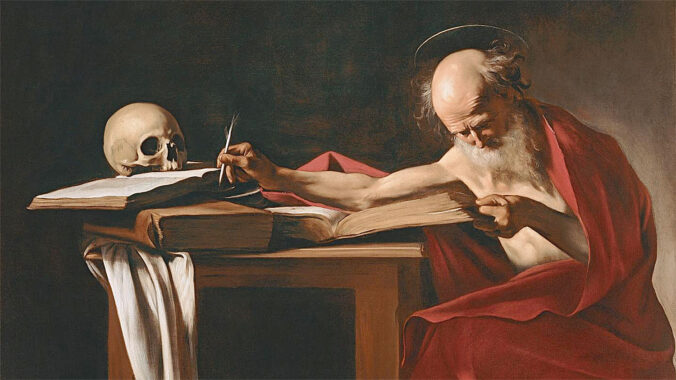
One of the most persistent questions in aesthetics is whether it is possible to appreciate a work of art created by someone whose actions or beliefs we find morally reprehensible. The debate is hardly new, but in the age of social media and cancel culture it has acquired renewed urgency. Every few months, a novelist, filmmaker, musician, philosopher, or painter becomes the subject of public controversy, and the same question returns: should their work still be read, watched, heard, or admired? The issue is often framed as a choice between two extremes. One side argues that art should be judged
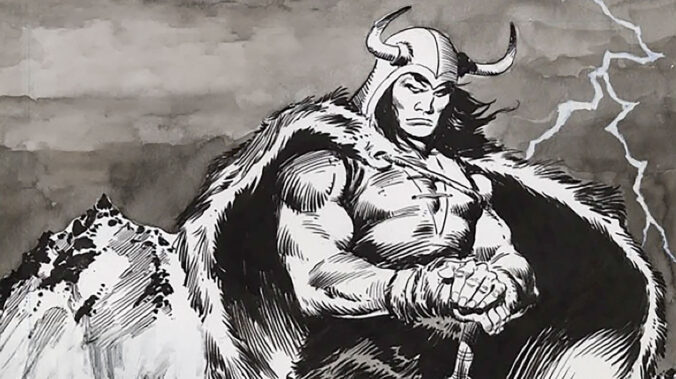
- Conan the Barbarian (Robert E. Howard and Roy Thomas)
- Thorgal (Jean Van Hamme and Grzegorz Rosiński)
- Dax el Guerrero (Esteban Maroto)
- Groo the Wanderer (Sergio Aragonés and Mark Evanier)
The life of William Lindsay Gresham reads like a prelude to the novel that would define him. Before becoming a writer of dark Americana, he was a man drawn to causes, extremes, and self-destruction. In the late 1930s, he volunteered to fight for the Republican side in the Spanish Civil War, joining the International Brigades. He saw the collapse of that cause firsthand. It left its mark politically, psychologically, and spiritually. Back in the USA, Gresham struggled. He attempted suicide more than once. His personal life was not steady. He married the poet Joy Davidman, a brilliant and restless figure
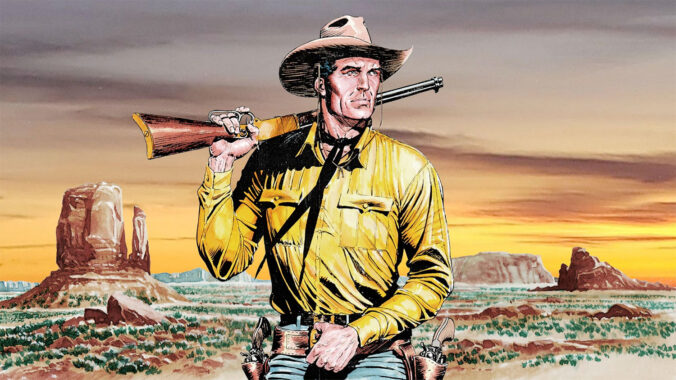
- Tex Willer (Bonelli & Galleppini)
- Blueberry (Charlier & Giraud)
- Lucky Luke (Morris & Goscinny)
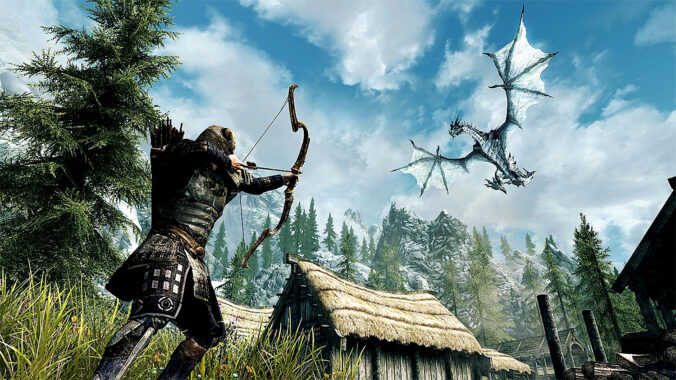
Among video game enthusiasts, especially those who enjoy CRPGs, there is often an unspoken assumption that the “right” way to play is on the hardest difficulty setting available. Finishing a game on Normal is respectable. Finishing it on Hard is admirable. Finishing it on Nightmare, Insanity, Death March, or whatever intimidating name the developers have invented this time, is treated almost like a badge of honor. I understand the appeal. Some of my favorite gaming memories come from overcoming difficult challenges. There is genuine satisfaction in mastering a complex combat system, learning enemy patterns, and finally defeating a boss that
- House of Leaves (2000), by Mark Z. Danielewski
- Perdido Street Station (2000), by China Miéville
- The Three-Body Problem (2008), by Liu Cixin
- The Yiddish Policemen’s Union (2008), by Michael Chabon
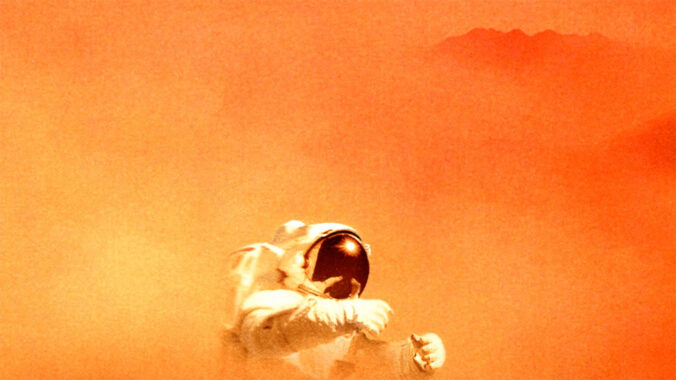
- The Martian (2011), by Andy Weir
- Ancillary Justice (2013), by Ann Leckie
- Annihilation (2014), by Jeff VanderMeer
In chronological order.
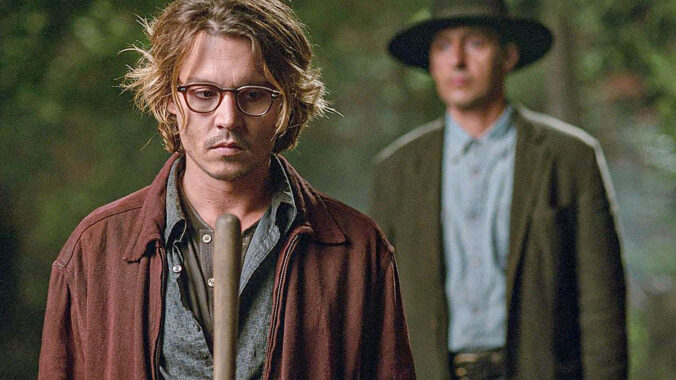
There’s a very specific narrative hook that shows up only occasionally in film: a writer comes into possession of a manuscript that is not theirs, and decides to pass it off as their own. It’s a narrow premise, almost schematic. Yet across three films, A Murder of Crows (Rowdy Herrington, 1998), The Words (Lee Sternthal & Brian Klugman, 2012), and Secret Window (David Koepp, 2004), it opens into three distinct genres: thriller, drama, and psychological horror. The divergence doesn’t come from the setup. In all three cases, the situation is similar enough: a struggling or compromised writer faces a moment