Page 7 of 13

Favorite 18th Century Visual Art

  • Rialto Bridge from the North, Canaletto, 1726
  • Portrait of Duval de l’Épinoy, Maurice-Quentin de La Tour, 1745
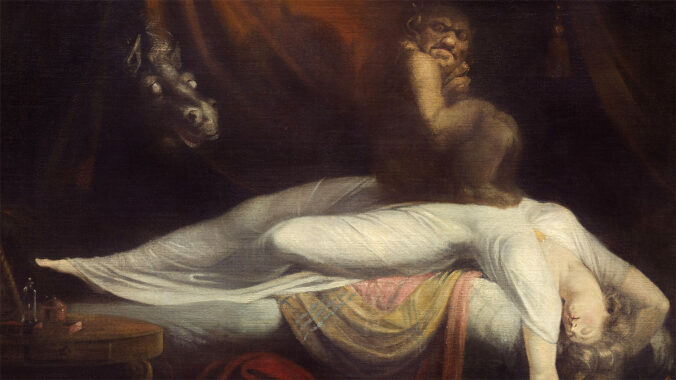
  • The Nightmare, Henry Fuseli, 1781
  • Self-Portrait in a Straw Hat, Élisabeth Vigée Le Brun, 1782
  • The Death of Socrates, Jacques-Louis David, 1787

In chronological order.

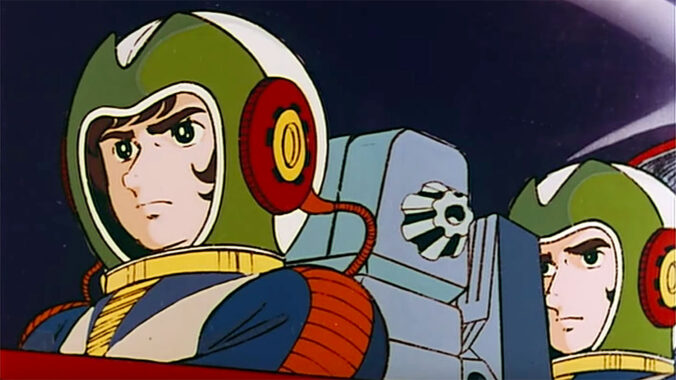
Watching Anime: Space Battleship Yamato

Space Battleship Yamato, created by Leiji Matsumoto and Yoshinobu Nishizaki, stands as one of the foundational works of Japanese science fiction anime. Airing from 1974 to 1975, with additional seasons and movies continuing into 1979 and beyond, it helped redefine anime as a serious storytelling medium capable of complex narratives, serialized plots, and themes of national trauma and redemption. It also influenced international sci-fi storytelling, particularly in the USA, where it was edited and rebranded as Star Blazers. At its heart, Space Battleship Yamato is a classic odyssey: a perilous voyage across space to save Earth from environmental ruin caused

Continue reading →

Favorite 17th Century Visual Art

  • The Fall of Phaeton, Peter Paul Rubens, 1604
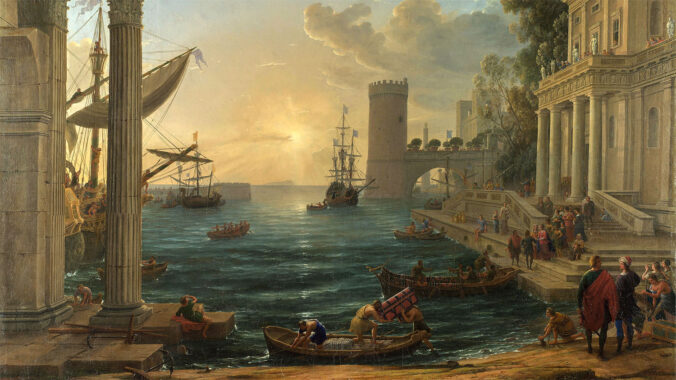
  • The Embarkation of the Queen of Sheba, Claude Lorrain, 1648
  • Las Meninas, Diego Velázquez, 1656
  • Self-Portrait with Beret and Turned-Up Collar, Rembrandt, 1659
  • The Art of Painting, Johannes Vermeer, 1668

In chronological order.

Watching Anime: Speed Racer

As with many successful anime tv series, Speed Racer started on the printed page. Tatsuo Yoshida’s original manga Mach GoGoGo (serialized between 1966 and 1968) emerged during Japan’s rapid modernization and automotive fascination. A product of its time, it combined elements of heroic storytelling, spy thrillers, and science fiction, inspired by both James Bond and Japanese racing culture. It followed Go Mifune (translated as Speed Racer in English), a hotheaded but honorable young driver who dreams of becoming a world-class racer with his technologically advanced Mach 5 car. Yoshida’s art was clean, dynamic, and expressive, prioritizing kinetic energy and sharp

Continue reading →
Favorite 16th Century Visual Art

  • The Garden of Earthly Delights, Hieronymus Bosch, 1510
  • The School of Athens, Raphael, 1511
  • Venus of Urbino, Tiziano Vecellio, 1534
  • The Tower of Babel, Bruegel, 1563
  • The Burial of the Count of Orgaz, El Greco, 1586
  • Pine Trees, Hasegawa Tōhaku, 1595
  • Medusa, Caravaggio, 1597

In chronological order.

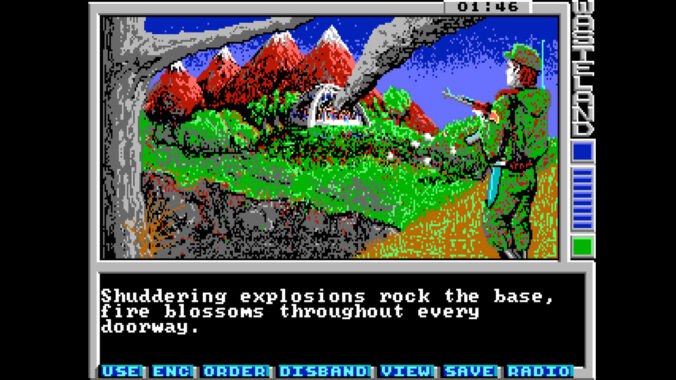
Playing Old CRPGs Again: A Tale of Two Post-Apocalypses

After playing the Avernum Trilogy again, I decided to go back to the old classic Wasteland and its official and unofficial sequels. It was a bit more complicated than I expected. But before getting into that, let me try to untangle the serpentine saga of these games. The history of the Wasteland and Fallout series is a tale of creative ambition, intellectual property disputes, and the persistence of a vision across decades and studios. It begins in 1988, in the twilight of the Cold War, when Interplay Productions released Wasteland, a groundbreaking post-nuclear role-playing game published by Electronic Arts. Set

Continue reading →

Favorite 15th Century Visual Art

  • The Arnolfini Portrait, Jan van Eyck, 1434
  • Portrait of the Duke of Urbino and the Duchess of Urbino, Piero della Francesca, 1466
  • Ginevra de’ Benci, Leonardo da Vinci, 1478
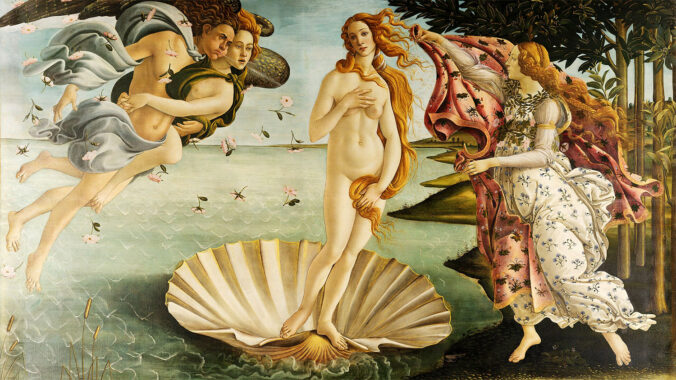
  • The Birth of Venus, Sandro Botticelli, 1486
  • Self-Portrait at the Age of Twenty Six, Albrecht Dürer, 1498

In chronological order.

Rating National Flags

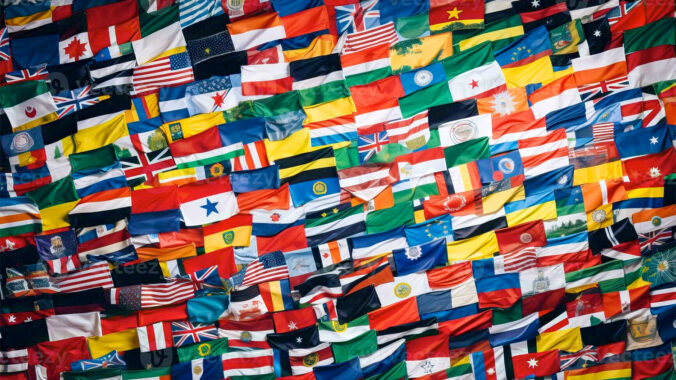
I complain so often about the design of national flags that my friends dared me to explain my reasons. So here it is, my list of the world’s worst flags, following an elimination process. A national flag should be a clear identifier of the country. If the flag gets confused with another flag, it fails miserably in its mission. Flags that are too similar to other flags are the first to be eliminated. Indonesia and Monaco basically have the same flag, with just a slight difference in the shade of red. Poland is the Indonesia flag upside down. All three

Continue reading →

Favorite Comic Strips

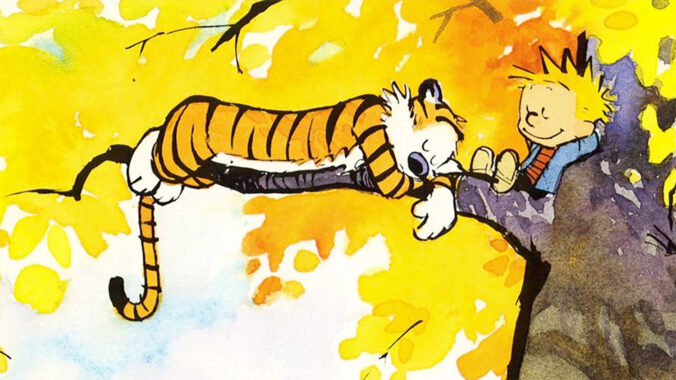
  • Calvin and Hobbes (Bill Watterson)
  • Dilbert (Scott Adams)
  • Doonesbury (Garry Trudeau)
  • Li’l Abner (Al Capp)
  • FoxTrot (Bill Amend)
  • Mafalda (Quino)
  • Pearls Before Swine (Stephan Pastis)
  • Piratas do Tietê (Laerte)
  • Pogo (Walt Kelly)
  • xkcd (Randall Munroe)

In alphabetical order.

The Yokai Trilogy

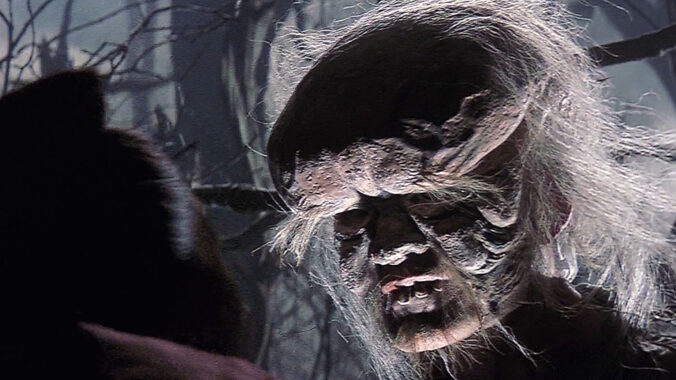
Yokai are a category of supernatural monsters from Japanese folklore. They encompass a wide range of beings, from mischievous spirits to fearsome monsters, and are often associated with strange phenomena and unexplained events. In the late 1960s, Daiei Studios created a trilogy of films with this theme, managing to make each one distinct from the others, much like the yokai themselves. Yokai Monsters: 100 Monsters (original title: Yōkai Hyaku Monogatari, literally One Hundred Yōkai Tales), released in 1968, is the first in the trilogy. Directed by Kimiyoshi Yasuda (better known for his work on the Zatoichi series), the film combines

Continue reading →

« Older posts Newer posts »

© 2026 Zander Dulac

Theme by Anders Noren — Up ↑