Page 8 of 13

Favorite 2010s Graphic Narrative

  • Daytripper (2010), by Fábio Moon and Gabriel Bá
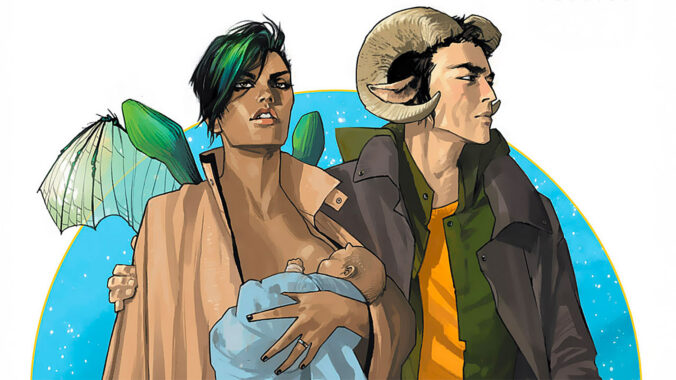
  • Saga (2012), by Brian K. Vaughan and Fiona Staples
  • Black Science (2013), by Rick Remender and Matteo Scalera
  • East of West (2013), by Jonathan Hickman and Nick Dragotta
  • Bodies (2014), by Si Spencer and several artists
  • Manifest Destiny (2014), by Chris Dingess and Matthew Roberts
  • Black Hammer (2016), by Jeff Lemire and Dean Ormston
  • Curse Words (2018), by Charles Soule and Ryan Browne

In chronological order of first publication.
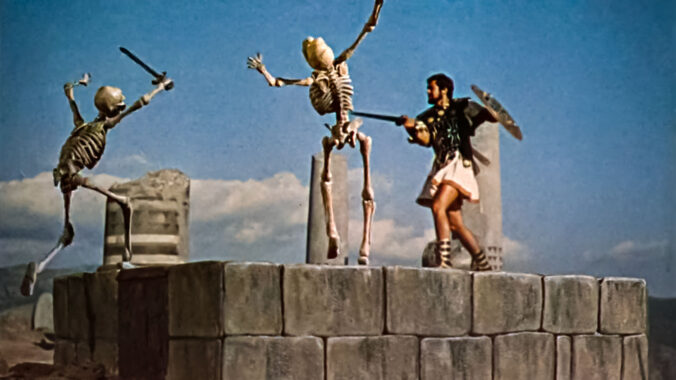
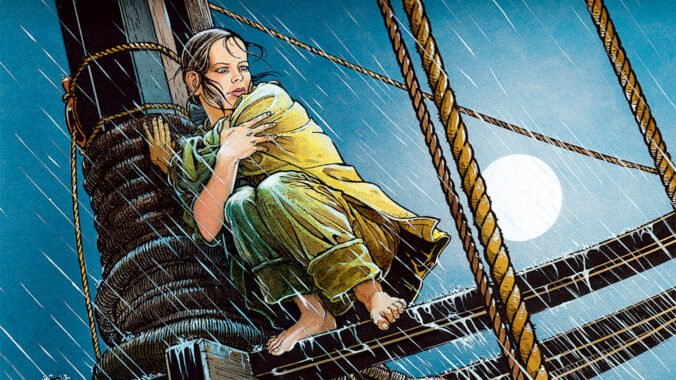
Reinventing the myth of Jason and the Argonauts

After watching Ray Harryhausen’s three Sinbad movies (see Traveling with Sinbad and Ray Harryhausen), I wanted to rewatch Jason and the Argonauts, and this week I did just that. Jason and the Argonauts (Don Chaffey, 1963) remains one of the most enduring cinematic retellings of Greek mythology. Not because of narrative accuracy but because of its visionary special effects, evocative score, and mythic tone. Though the film adapts the ancient myth of Jason’s quest for the Golden Fleece, it does so with considerable creative liberty, transforming the story into a fantasy epic for mid-20th-century audiences. At the heart of its

Continue reading →

Favorite 2000s Graphic Narrative

  • Blacksad (2000), by Juan Díaz Canalès and Juanjo Guarnido
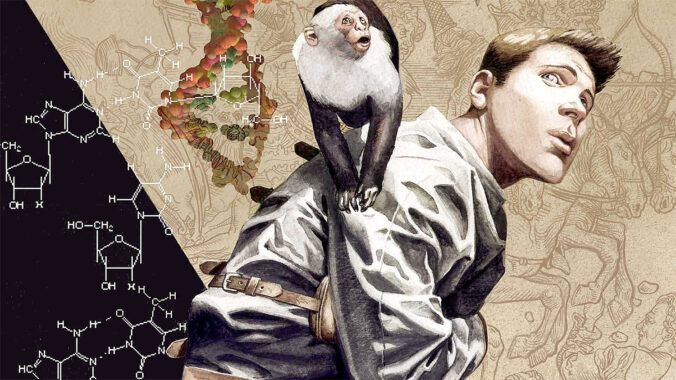
  • Y: The Last Man (2002), by Brian K. Vaughan and Pia Guerra
  • The Walking Dead (2003), by Robert Kirkman and Tony Moore
  • All-Star Superman (2005), by Grant Morrison and Frank Quitely
  • Fell (2005), by Warren Ellis and Ben Templesmith
  • Mouse Guard (2006), by David Petersen
  • Criminal (2006), by Ed Brubaker and Sean Phillips
  • The Umbrella Academy (2007), by Gerard Way and Gabriel Bá
  • Locke & Key (2008), by Joe Hill and Gabriel Rodríguez
  • Asterios Polyp (2009), by David Mazzuchelli

In chronological order of first publication.
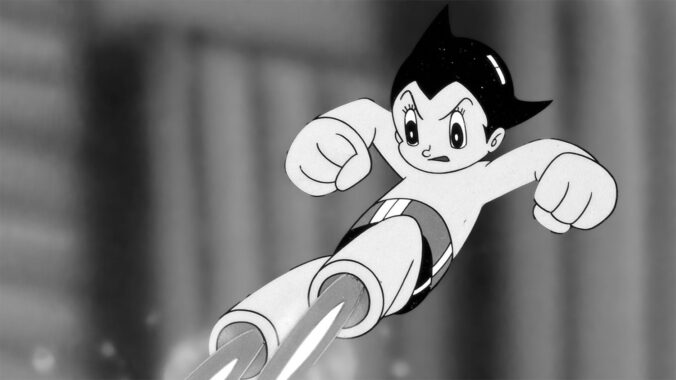
Watching Anime: The Many Faces of Astro Boy

Astro Boy (Tetsuwan Atom) is more than just a cartoon character. He’s a cornerstone of modern Japanese pop culture and a foundational figure in global science fiction storytelling. Created by Osamu Tezuka, the so-called “God of Manga”, Astro Boy first appeared on the printed page in 1952, eventually becoming the star of Japan’s first major animated television series in 1963. Astro is instantly recognizable with his big round eyes (according to Tezuka, inspired by Disney’s Bambi), jet-powered limbs, and heart of gold. But behind his charming appearance lies one of fiction’s most poignant origin stories: a tale of loss, abandonment,

Continue reading →

Favorite 1990s Graphic Narrative

  • Sin City (1991), by Frank Miller
  • Bone (1991), by Jeff Smith
  • Hellboy (1993), by Mike Mignola
  • Strangers in Paradise (1993), by Terry Moore,
  • Les Mondes d’Aldébaran (1994), by Leo
  • Preacher (1995), by Garth Ennis and Steve Dillon
  • Batman: The Long Halloween (1996), by Jeph Loeb and Tim Sale
  • Transmetropolitan (1997), by Warren Ellis and Darick Robertson
  • Road to Perdition (1998), by Max Allan Collins and Richard Piers Rayner
  • The League of Extraordinary Gentlemen (1999), by Alan Moore and Kevin O’Neill

In chronological order of first publication.
Five Pearl Harbors

I’ve recently watched six movies that featured the Japanese attack on the US naval base at Pearl Harbor in Hawaii. It’s so interesting how they all used the historical event in different ways and with different purposes. From Here to Eternity (Fred Zinnemann, 1953) ends with the attack. Before that, we see the intersecting lives of several characters around the island. Private Robert E. Lee Prewitt (Montgomery Clift), Sergeant Milton Warden (Burt Lancaster), and Private Angelo Maggio (Frank Sinatra) navigate the tensions of military life in Pearl Harbor. Karen Holmes (Deborah Kerr), the wife of Warden’s commanding officer, and Alma

Continue reading →

Favorite 1980s Graphic Narrative

Les Passagers du Vent (1980), by François Bourgeon Maus (1980), by Art Spiegelman The Incal (1980), by Alejandro Jodorowsky and Moebius) The Nikopol Trilogy (1980), by Enki Bilal Torpedo (1981), by Enrique Sánchez Abulí and Jordi Bernet X-Men: Days of Future Past (1981) by Chris Claremont and John Byrne V For Vendetta (1982), by Alan Moore and David Lloyd Akira (1982), by Katshuiro Otomo Nausicaä of the Valley of the Wind (1982), by Hayao Miyazaki Les Cités Obscures (1982), by François Schuiten and Benoît Peeters Usagi Yojimbo (1984), by Stan Sakai Les Compagnons du Crépuscule (1984), by François Bourgeon Les

Continue reading →

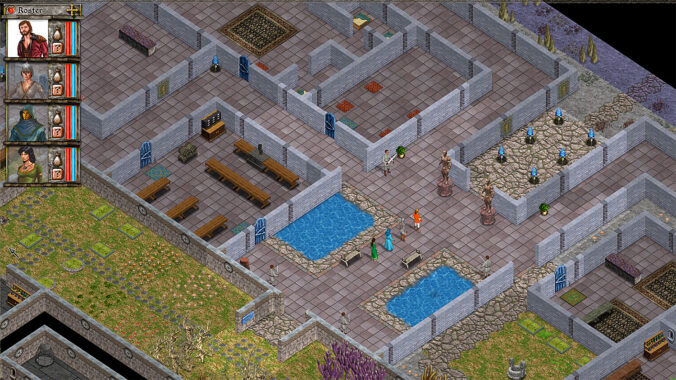
Playing Old CRPGs Again: Avernum Trilogy

Next on my adventures into old CRPGs, I got into the Avernum Trilogy, by Spiderweb Software. I never played the original Exile series from the 1990s, but I did play the remake series, renamed Avernum, six games published from 2000 to 2009. However, those games no longer work on new computers. Fortunately, Jeff Vogel (owner of Spiderweb Software) has been launching new remakes of the series, and the first trilogy is already available. All these games are deeply rooted in traditional CRPG design, featuring turn-based combat, non-linear storytelling, and a vast, immersive underground world. In Avernum: Escape from the Pit (2011), the player assumes the role of a group of prisoners

Continue reading →

Favorite 1970s Graphic Narrative

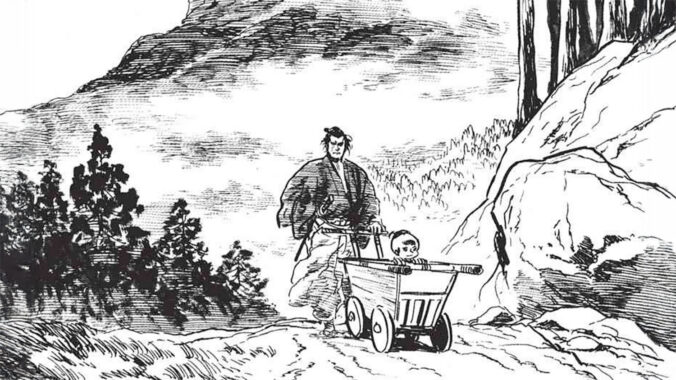
  • Lone Wolf and Cub (1970), by Kazuo Koike and Goseki Kojima
  • Yoko Tsuno (1970), by Roger Leloup
  • Métal Hurlant (1974), various authors
  • Arzach (1975), by Moebius
  • Paracuellos (1975), by Carlos Giménez
  • Le Garage Hermétique (1976), by Moebius
  • American Splendour (1976), by Harvey Pekar and several artists
  • The Extraordinary Adventures of Adele Blanc-Sec (1976), by Jacques Tardi
  • ElfQuest (1978), by Wendy and Richard Pini
  • X-Men: The Dark Phoenix Saga (1979), by Chris Claremont and John Byrne

In chronological order of first publication.

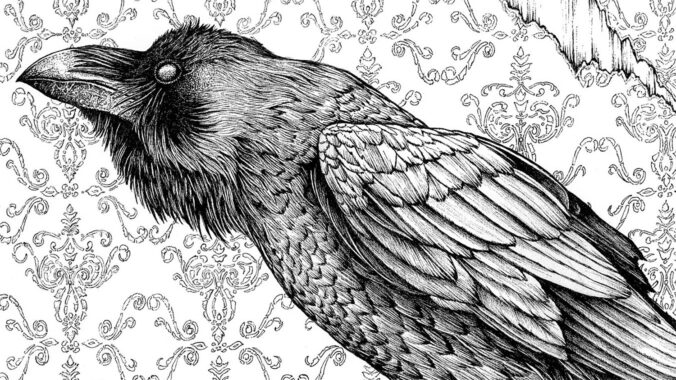
Dickens, Poe, and the Impressively Large Raven

In one of my weekend trips to Philadelphia, I went to the Parkway Central Library to visit Grip. If you are a reader of Charles Dickens or Edgar Allan Poe you may know a thing or two about him. In 1941, Charles Dickens published the novel Barnaby Rudge, which had been serialized in the same year in his own weekly periodical Master Humphrey’s Clock. As a companion to the title character, Dickens added a large and talkative raven called Grip. His idea, expressed in a letter to a friend, was to make the bird “immeasurably more knowing” than the protagonist.

Continue reading →

« Older posts Newer posts »

© 2026 Zander Dulac

Theme by Anders Noren — Up ↑