Page 9 of 13

Favorite 1960s Graphic Narrative

  • The Fantastic Four (1961), by Stan Lee and Jack Kirby
  • The Amazing Spider-Man (1963), by Stan Lee and Steve Ditko
  • Blueberry (1963), by Jean-Michel Charlier and Jean “Moebius” Giraud
  • Creepy (1964), various authors
  • Eerie (1966), various authors
  • Lone Sloane (1966), by Philippe Druillet
  • Corto Maltese (1967), by Hugo Pratt
  • 5 por Infinito (1967), by Esteban Maroto

In chronological order of first publication.
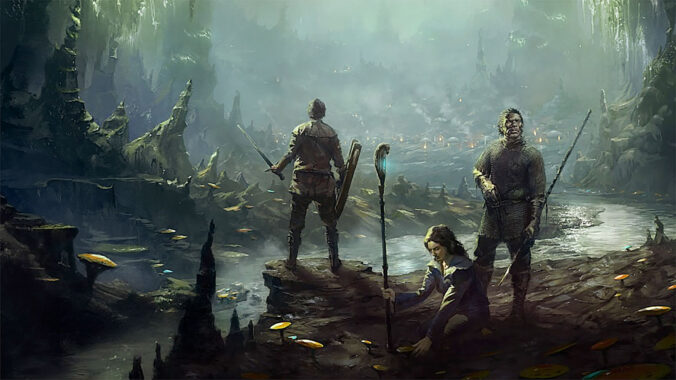
Playing Old CRPGs Again: Adjusting the Plan

My initial idea was to explore old CRPGs roughly chronologically, but I’ve encountered a couple of technical obstacles. First, obviously, I no longer own all those games I played a decade or two ago. Second, with the evolution of hardware and operating systems, some games no longer work on recent computers. Third, I currently only have access to a MacBook Pro, and many of the games on the list are only available for PC.  After Darklands, I wanted to play Betrayal at Krondor (1993) or The Elder Scrolls: Arena (1994), but I only own the PC versions of these games.

Continue reading →

Favorite pre-1960 Graphic Narrative

  • Little Nemo in Slumberland (1905), by Winsor McCay
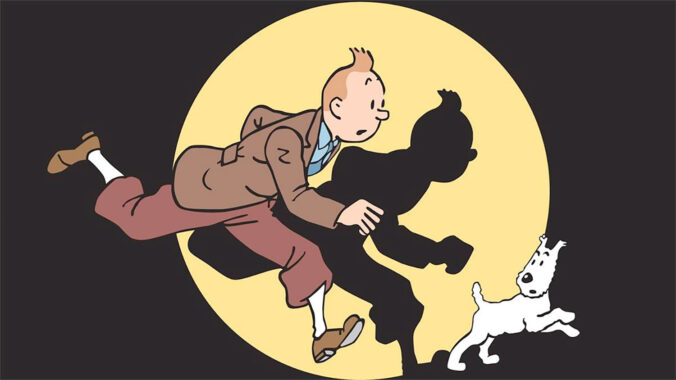
  • Les Aventures de Tintin (1929), by Hergé
  • Flash Gordon (1934), by Alex Raymond
  • Secret Agent X-9 (1934), by Dashiell Hammett and Alex Raymond
  • The Phantom (1936), by Lee Falk
  • Prince Valiant (1937), by Hal Foster
  • Blake & Mortimer (1946), by Edgar P. Jacobs
  • Lucky Luke (1946), by René Goscinny and Morris
  • The Adventures of Alix (1948), by Jacques Martin
  • Tex (1948), by Gian Luigi Bonelli and Aurelio Galleppini
  • El Eternauta (1957), by Héctor G. Oesterheld and Francisco Solano López
  • Asterix (1959), by René Goscinny and Albert Uderzo

In chronological order of first publication.
M x 3

I always find it interesting how different moviemakers adapt the same book for the screen. But it feels a bit uncomfortable when the source material is not a book but another movie. It’s like the director of the remake is saying to the original director, “I can make your movie better than you can”. And, more often than not, it’s not better. With very few exceptions (like Scarface, The Fly, or The Departed), remakes have very little to offer. This week, I watched one original movie and two remakes, just trying to understand why someone would think it was a

Continue reading →

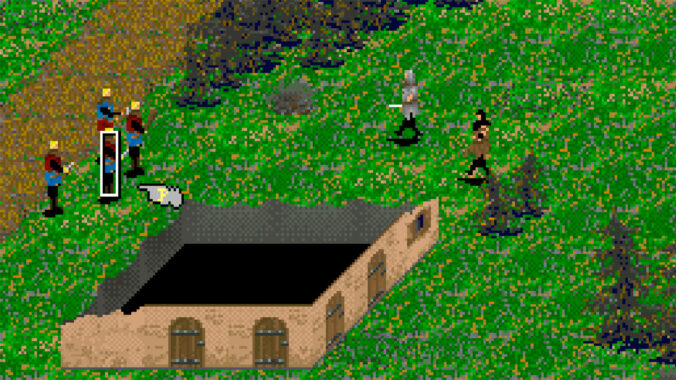
Playing Old CRPGs Again: Back into the Darklands

When Microprose launched Darklands in 1992, I became obsessed with the game. I played it hour after hour, day after day, week after week, always experimenting with new ways to explore the game world and vanquish the enemies. Replaying it now was still very satisfying, despite the dated graphic presentation. Unlike the high-fantasy worlds inspired by Ultima or Dungeons & Dragons, Darklands is set in a historically grounded 15th-century Holy Roman Empire, where alchemy, saintly miracles, and medieval folklore are real. The game offers an open-ended experience where players can travel across Germany, engaging in political intrigue, mercenary work, or

Continue reading →

Favorite 2000s Animated TV Series

In chronological order.

  • X-Men: Evolution (2000–2003)
  • Justice League (2001–2004)
  • Samurai Jack (2001–2017)
  • Avatar: The Last Airbender (2005–2008)
  • Star Wars: The Clone Wars (2008–2020)
  • Wolverine and the X-Men (2008–2009)

Gilgamesh, Picard, and the Guy Who Killed Captain Marvel

I hadn’t been intrigued about The Epic of Gilgamesh, the ancient epic poem from Mesopotamia, until the coincidence of seeing, only a few weeks apart, this story featured in both a Star Trek episode and a graphic novel by Jim Starlin. In Darmok, the second episode of the fifth season of Star Trek: The Next Generation, first televised in 1991, Captain Picard (Patrick Stewart) gets stranded on a planet with Dathon (Paul Winfield), a Tamarian captain. They have trouble communicating with each other because the Tamarian language is based on references to their history and mythology in an allegorical format

Continue reading →

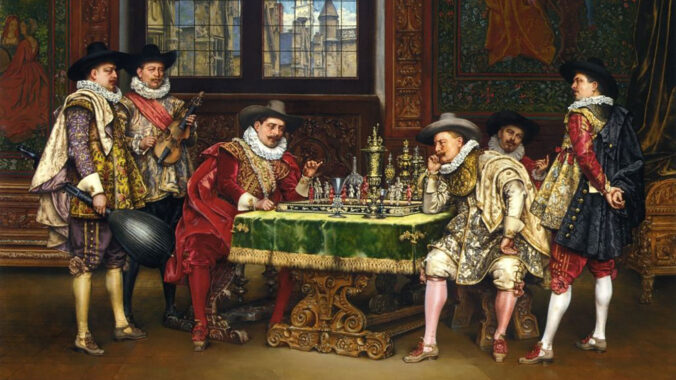
Learning to play chess: taking a break

After exactly 6,000 rapid games on chess.com, I’ve decided to take a break. What this means is still to be determined, but I got some interesting insights from this first burst into the game of chess. As expected, after a fairly quick climb in my rating I reached what feels like an unmovable wall. That’s how it’s supposed to work: you keep winning against progressively better opponents until you find opponents that are better than you, and then you start losing. That’s how your rating gets determined. Mine found its plateau between 1300 and 1350, with eventual drops into the

Continue reading →

« Older posts Newer posts »

© 2026 Zander Dulac

Theme by Anders Noren — Up ↑