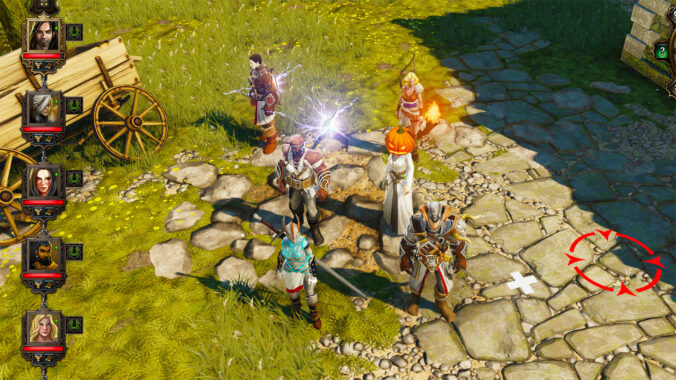
Divinity: Original Sin (2014), the fourth main entry in the Divinity game series, sits in an interesting place in modern RPG history. It arrived at a time when the genre was leaning heavily toward cinematic presentation and streamlined mechanics, and instead pushed in almost the opposite direction: systemic depth, player freedom, and a willingness to be awkward if it meant being flexible. I did finish the game at the time of its launching, both with a party of four and with two lone wolves. This time I cheated a bit: I installed a mod that allows for a party of
Tag: crpg (Page 1 of 2)
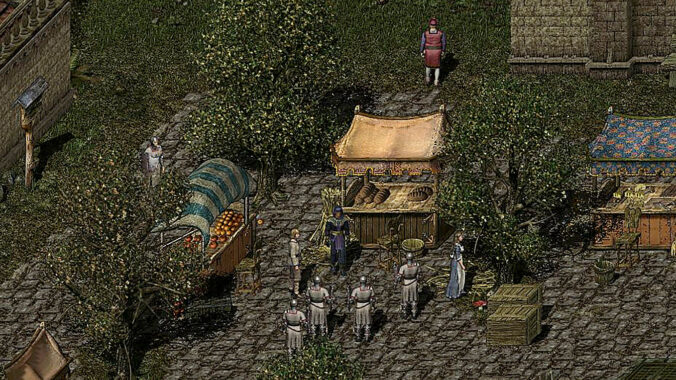
My plan was to play Larian’s Divinity series next. I had played all the games when they were launched, and was eager to return to the world of Rivellon. Then I found out that the first five games no longer work on an updated Mac computer. Fortunately, the two more recent games still work, Divinity: Original Sin (2015) and Divinity: Original Sin II (2017), and that’s what I’m going to play next, while waiting for the upcoming ninth title in the series, Divinity, which doesn’t have a launch date yet. These games are very enjoyable and also very large, and
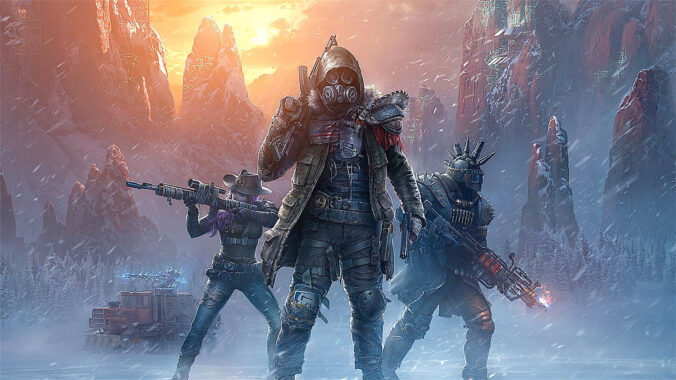
Well, Wasteland 3 is not exactly an old CRPG (it was launched in 2020), and I’m not actually replaying it (because I never had the opportunity to play it before), but after Wasteland 2 it was an obvious choice for this series anyway. The Wasteland franchise has always carried the weight of history. The original Wasteland (1988) laid the groundwork for post-apocalyptic RPGs and directly inspired the Fallout series. Decades later, Wasteland 2 (2014) revived the series with a modernized isometric format, featuring heavy text and a branching narrative. Wasteland 3 (2020), developed by inXile Entertainment, continues that revival but
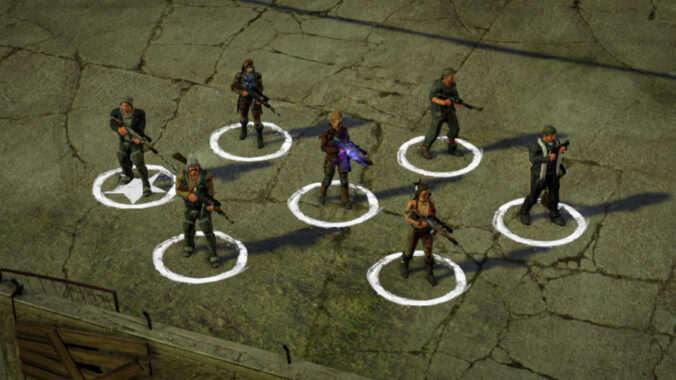
Released in 2014 by inXile Entertainment, Wasteland 2 was a long-awaited revival of a cult classic. Funded through Kickstarter and helmed by Brian Fargo (the creator of the original Wasteland in 1988), it sought to deliver a true successor after decades of dormancy. While it succeeds in capturing the spirit of its predecessor and the roots of the franchise, it also shows both its indie origins and its design ambitions. Within the Wasteland franchise, Wasteland 2 functions as both a sequel and a reinvention. Its narrative directly follows the original’s events: the Desert Rangers return, once again tasked with enforcing
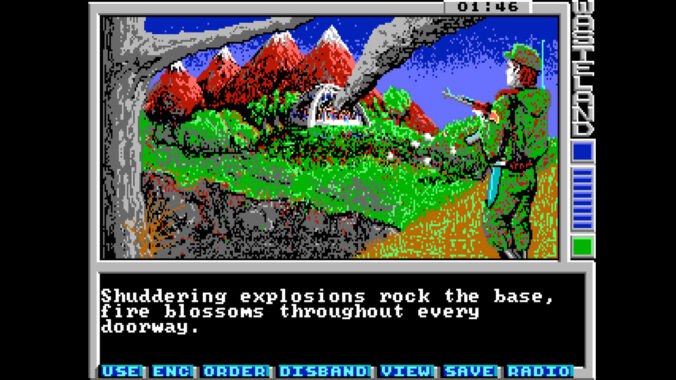
After playing the Avernum Trilogy again, I decided to go back to the old classic Wasteland and its official and unofficial sequels. It was a bit more complicated than I expected. But before getting into that, let me try to untangle the serpentine saga of these games. The history of the Wasteland and Fallout series is a tale of creative ambition, intellectual property disputes, and the persistence of a vision across decades and studios. It begins in 1988, in the twilight of the Cold War, when Interplay Productions released Wasteland, a groundbreaking post-nuclear role-playing game published by Electronic Arts. Set
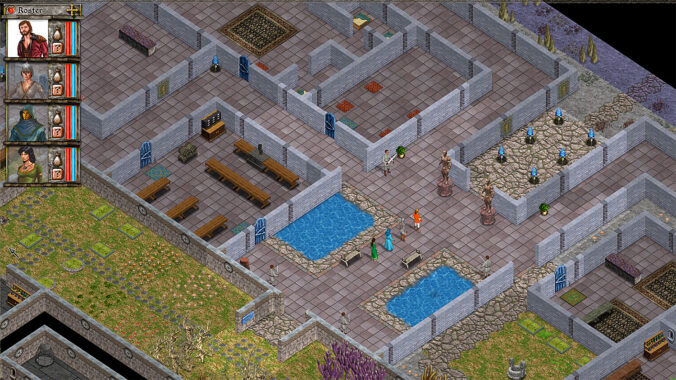
Next on my adventures into old CRPGs, I got into the Avernum Trilogy, by Spiderweb Software. I never played the original Exile series from the 1990s, but I did play the remake series, renamed Avernum, six games published from 2000 to 2009. However, those games no longer work on new computers. Fortunately, Jeff Vogel (owner of Spiderweb Software) has been launching new remakes of the series, and the first trilogy is already available. All these games are deeply rooted in traditional CRPG design, featuring turn-based combat, non-linear storytelling, and a vast, immersive underground world. In Avernum: Escape from the Pit (2011), the player assumes the role of a group of prisoners
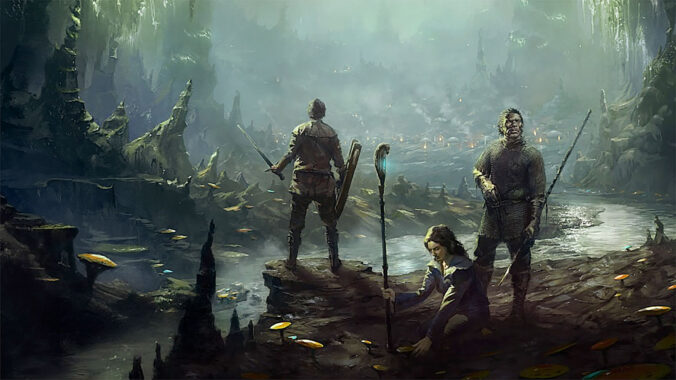
My initial idea was to explore old CRPGs roughly chronologically, but I’ve encountered a couple of technical obstacles. First, obviously, I no longer own all those games I played a decade or two ago. Second, with the evolution of hardware and operating systems, some games no longer work on recent computers. Third, I currently only have access to a MacBook Pro, and many of the games on the list are only available for PC. After Darklands, I wanted to play Betrayal at Krondor (1993) or The Elder Scrolls: Arena (1994), but I only own the PC versions of these games.
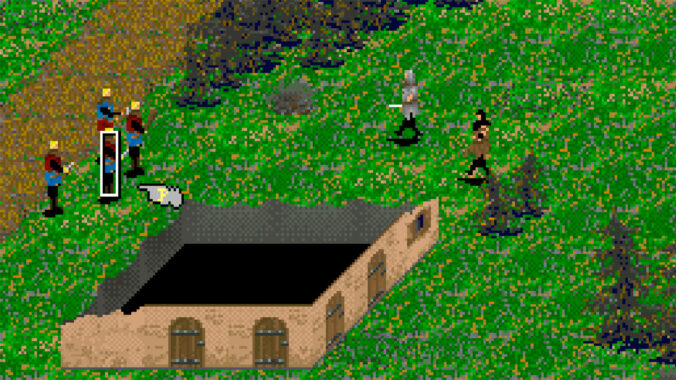
When Microprose launched Darklands in 1992, I became obsessed with the game. I played it hour after hour, day after day, week after week, always experimenting with new ways to explore the game world and vanquish the enemies. Replaying it now was still very satisfying, despite the dated graphic presentation. Unlike the high-fantasy worlds inspired by Ultima or Dungeons & Dragons, Darklands is set in a historically grounded 15th-century Holy Roman Empire, where alchemy, saintly miracles, and medieval folklore are real. The game offers an open-ended experience where players can travel across Germany, engaging in political intrigue, mercenary work, or
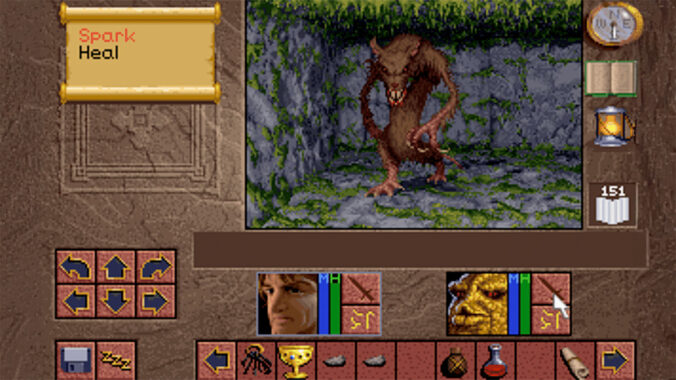
The next game in my revival series was Lands of Lore: The Throne of Chaos (Virgin Games, 1993), developed by Westwood Studios, the same guys who made the first two instalments of Eye of The Beholder. And this game has a very similar interface, with some clear improvements over the predecessors. Stepping away from the Dungeons & Dragons license, Lands of Lore brought its own mythology in what looks like a hybrid of RPG and adventure genres. Set in the high-fantasy world of Gladstone, the game presents a classic struggle between good and evil. The story revolves around a powerful
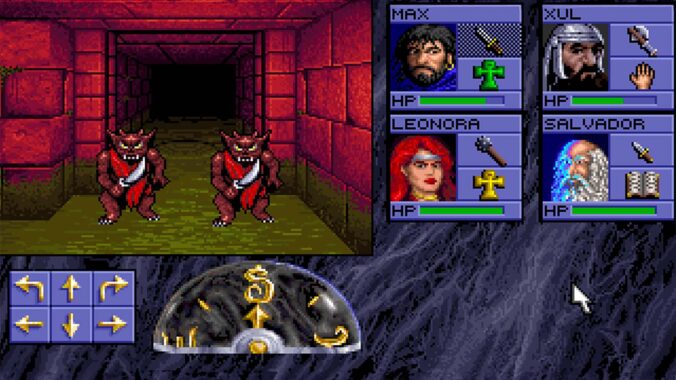
Eye of the Beholder (SSI, 1991) was the first computer game that I felt represented the spirit of the tabletop Dungeons & Dragons (which, at the time, was in its AD&D 2nd Edition). Another advantage for me was that the story happened beneath the city of Waterdeep, a famous location for fans of Dungeons & Dragons. Khelben Arunsun, one of the Lords of Waterdeep, tasks our group of adventurers to go investigate what’s wrong in the city sewers, and that’s just the beginning of a large dungeon expedition. The game was somewhat similar to the first The Bard’s Tale but