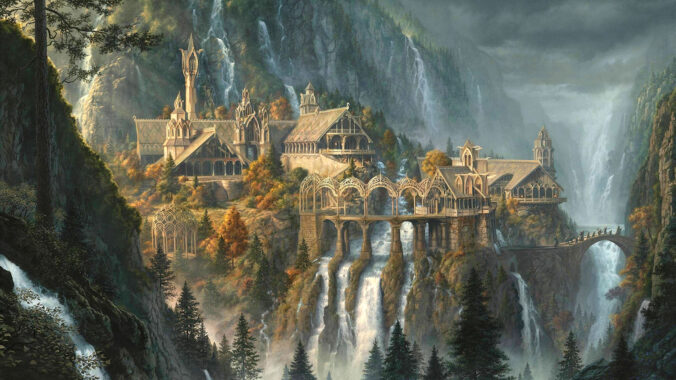
Few literary friendships have been as influential as that between J.R.R. Tolkien and C.S. Lewis. Both were Oxford scholars. Both were devoted Christians. Both loved mythology, fairy tales, and medieval literature. Both helped shape modern fantasy. Yet when one compares their major works, The Lord of the Rings and The Chronicles of Narnia, the differences are so striking that it is difficult to believe they emerged from the same intellectual circle. The contrast begins with the most obvious question: how does Christian belief appear in the fiction? For Lewis, the answer is straightforward. Christianity appears directly, almost openly. Narnia is
Tag: fantasy
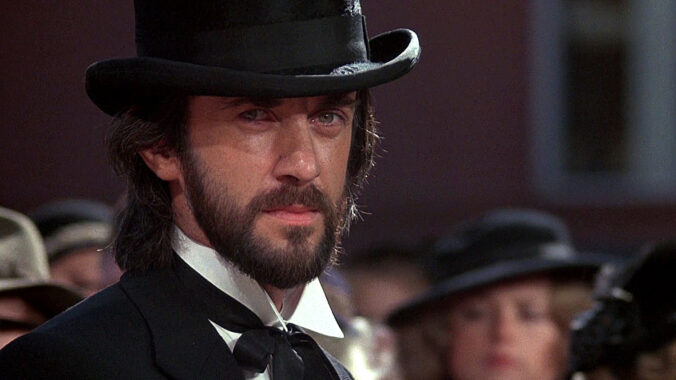
There is a particular kind of American fantasy that rolls into town on squeaky wheels: a carnival, a circus, a sideshow. It promises wonder, then quietly reorders your soul. Charles G. Finney’s The Circus of Dr. Lao (1935) drops a surreal menagerie into a dusty Arizona town. Ray Bradbury’s Something Wicked This Way Comes (1962) delivers a traveling nightmare to a small town in Illinois, baiting people with the one thing they want most. The enduring appeal of these fantasies becomes even more apparent when examining their film adaptations, which reveal as much about Hollywood as about the books themselves.

- Dragonslayer (Matthew Robbins, 1981)
- Dragonheart (Rob Cohen, 1996)
- Spirited Away (Hayao Miyazaki, 2001)
- Reign of Fire (Rob Bowman, 2002)
- How to Train your Dragon (Sanders & DeBlois, 2010)
- Age of the Dragons (Ryan Little, 2011)
In chronological order.
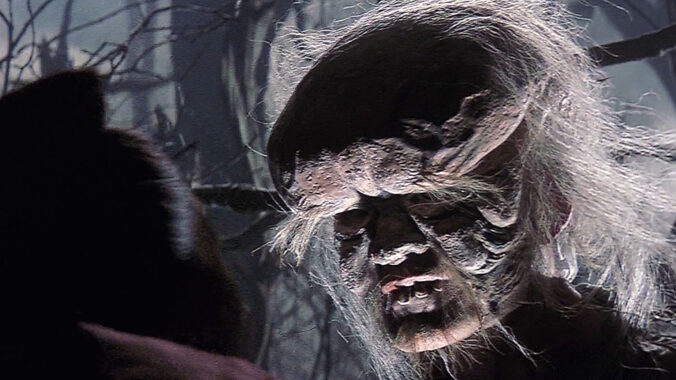
Yokai are a category of supernatural monsters from Japanese folklore. They encompass a wide range of beings, from mischievous spirits to fearsome monsters, and are often associated with strange phenomena and unexplained events. In the late 1960s, Daiei Studios created a trilogy of films with this theme, managing to make each one distinct from the others, much like the yokai themselves. Yokai Monsters: 100 Monsters (original title: Yōkai Hyaku Monogatari, literally One Hundred Yōkai Tales), released in 1968, is the first in the trilogy. Directed by Kimiyoshi Yasuda (better known for his work on the Zatoichi series), the film combines
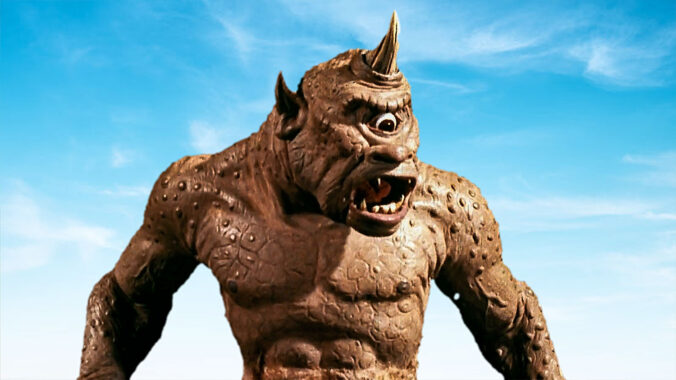
The stop animation of Ray Harryhausen has always fascinated me. That sword fight against skeletons in Jason and the Argonauts (Don Chaffey, 1963) will forever have a place in my heart. So, when I recently had the chance to watch three of his films, I didn’t hesitate. None of these are great movies, but even the worst of them has some good moments. The 7th Voyage of Sinbad (Nathan Juran, 1958) is a classic in the realm of fantasy cinema. At that point, it was a significant leap forward in visual effects, establishing itself as a milestone for stop-motion animation