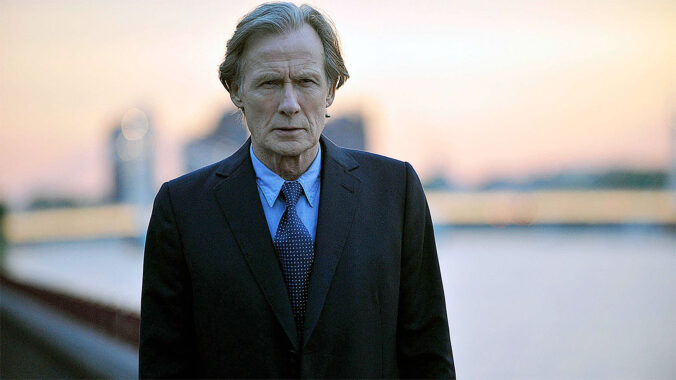
David Hare’s Worricker Trilogy, consisting of Page Eight (2011), Turks & Caicos (2014), and Salting the Battlefield (2014), occupies a curious place in modern British espionage fiction. Produced for television by the BBC but filmed and performed with the sophistication of high-end cinema, the trilogy feels like a deliberate attempt to create a contemporary counterpart to the moral and political spy stories associated with John le Carré. It succeeds not by imitating George Smiley, but by asking what a Smiley-like figure would look like in the twenty-first century. The answer is Johnny Worricker, played magnificently by Bill Nighy. The trilogy
Tag: tv (Page 1 of 2)
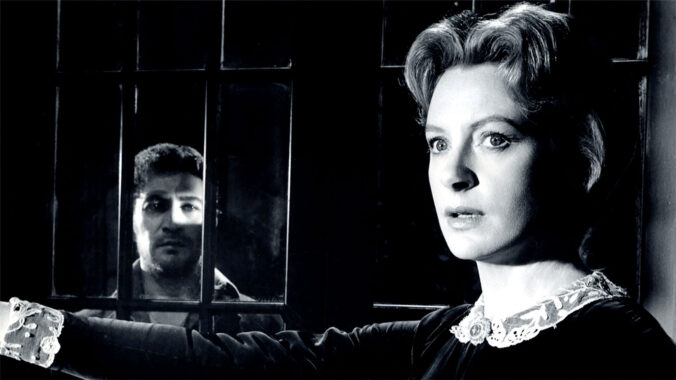
Henry James’s novella The Turn of the Screw is famous for being slippery. Are the ghosts real, or is the governess losing her mind? The 1961 film The Innocents keeps that same spirit of uncertainty, but instead of James’s careful prose, it uses images, sound, and atmosphere to create doubt. The story is essentially the same, but the movie sharpens the tension, leaning into the creepy sexuality and suppressed desire that James only hinted at. Where the book makes you question every line, the film makes you question every shot. The script started with a stage adaptation, but Truman Capote
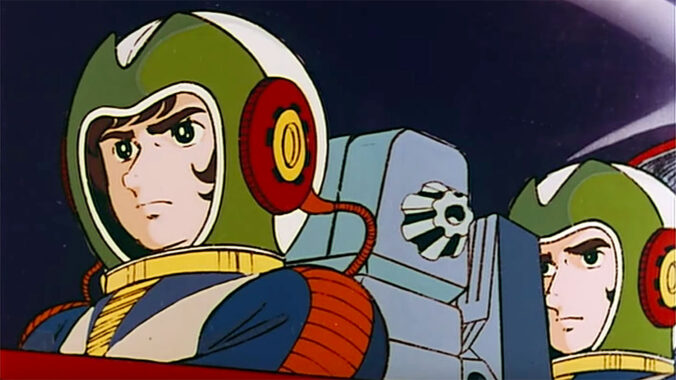
Space Battleship Yamato, created by Leiji Matsumoto and Yoshinobu Nishizaki, stands as one of the foundational works of Japanese science fiction anime. Airing from 1974 to 1975, with additional seasons and movies continuing into 1979 and beyond, it helped redefine anime as a serious storytelling medium capable of complex narratives, serialized plots, and themes of national trauma and redemption. It also influenced international sci-fi storytelling, particularly in the USA, where it was edited and rebranded as Star Blazers. At its heart, Space Battleship Yamato is a classic odyssey: a perilous voyage across space to save Earth from environmental ruin caused

As with many successful anime tv series, Speed Racer started on the printed page. Tatsuo Yoshida’s original manga Mach GoGoGo (serialized between 1966 and 1968) emerged during Japan’s rapid modernization and automotive fascination. A product of its time, it combined elements of heroic storytelling, spy thrillers, and science fiction, inspired by both James Bond and Japanese racing culture. It followed Go Mifune (translated as Speed Racer in English), a hotheaded but honorable young driver who dreams of becoming a world-class racer with his technologically advanced Mach 5 car. Yoshida’s art was clean, dynamic, and expressive, prioritizing kinetic energy and sharp
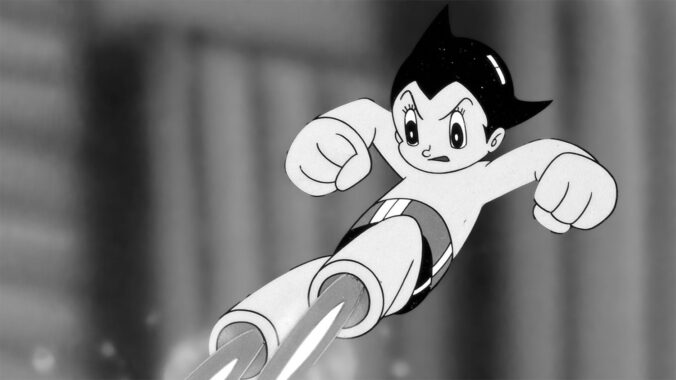
Astro Boy (Tetsuwan Atom) is more than just a cartoon character. He’s a cornerstone of modern Japanese pop culture and a foundational figure in global science fiction storytelling. Created by Osamu Tezuka, the so-called “God of Manga”, Astro Boy first appeared on the printed page in 1952, eventually becoming the star of Japan’s first major animated television series in 1963. Astro is instantly recognizable with his big round eyes (according to Tezuka, inspired by Disney’s Bambi), jet-powered limbs, and heart of gold. But behind his charming appearance lies one of fiction’s most poignant origin stories: a tale of loss, abandonment,

In chronological order.
- The Legend of Korra (2012-2014)
- Rick and Morty (2013- )
- Star Wars Rebels (2014-2018)
- Castlevania (2017–2021)
- The Dragon Prince (2018–2024)
- Undone (2019-2022)

In chronological order.
- X-Men: Evolution (2000–2003)
- Justice League (2001–2004)
- Samurai Jack (2001–2017)
- Avatar: The Last Airbender (2005–2008)
- Star Wars: The Clone Wars (2008–2020)
- Wolverine and the X-Men (2008–2009)
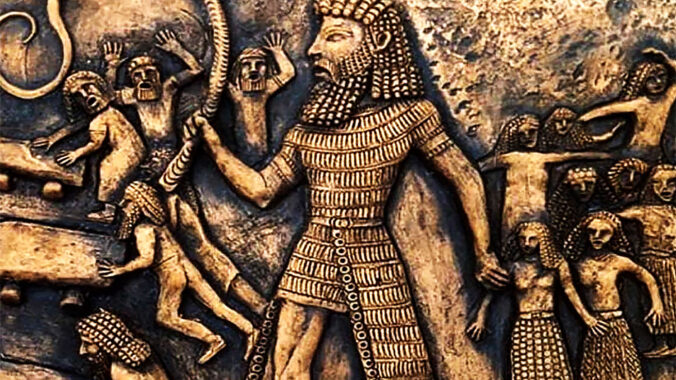
I hadn’t been intrigued about The Epic of Gilgamesh, the ancient epic poem from Mesopotamia, until the coincidence of seeing, only a few weeks apart, this story featured in both a Star Trek episode and a graphic novel by Jim Starlin. In Darmok, the second episode of the fifth season of Star Trek: The Next Generation, first televised in 1991, Captain Picard (Patrick Stewart) gets stranded on a planet with Dathon (Paul Winfield), a Tamarian captain. They have trouble communicating with each other because the Tamarian language is based on references to their history and mythology in an allegorical format
In chronological order.
- Batman: The Animated Series (1992–1995)
- X-Men: The Animated Series (1992-1997)
- Gargoyles (1994–1997)
- Cow and Chicken (1997–1999)
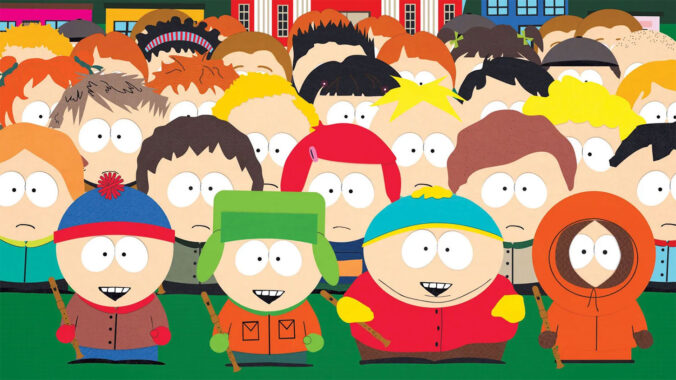
- South Park (1997-)
- Futurama (1999-2003)

In chronological order.
- The Smurfs (1981–1989)
- Dungeons & Dragons (1983–1985)
- Thundercats (1985–1989)
- DuckTales (1987-1990)
- Teenage Mutant Ninja Turtles (1987-1996)
- The Simpsons (1989- )