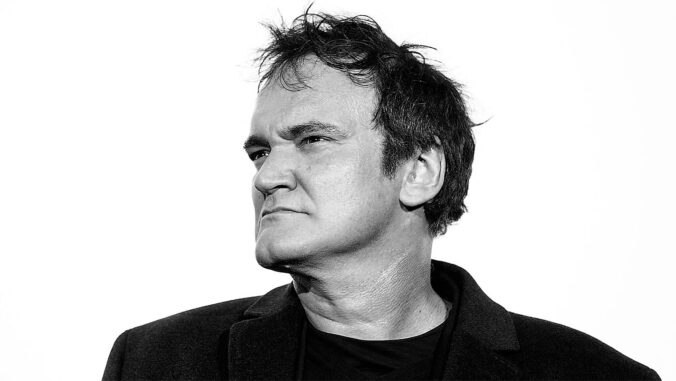
In 1992, Quentin Tarantino released Reservoir Dogs. Two years later came Pulp Fiction. Neither film invented the gangster movie, nonlinear storytelling, ironic violence or colorful dialogue. All of those had existed before. What Tarantino did was far more difficult. He assembled familiar elements into a cinematic language so distinctive that, almost overnight, other filmmakers began speaking it.
The influence spread with astonishing speed. Within five or six years, Hollywood and independent cinema were filled with crime films populated by witty gangsters, fractured narratives, pop soundtracks, and conversations that seemed to wander aimlessly before revealing their purpose. The resemblance was often obvious enough that critics dismissed many of them as Tarantino clones. That label, however, overlooks something more interesting.
Most of these films were not copying Pulp Fiction. They were trying to understand why Pulp Fiction felt so different from every crime film that had come before it. Like Hitchcock thirty years earlier, Tarantino had reached a point where Hollywood no longer needed Tarantino to make Tarantinoesque films.
Dialogue as Entertainment
Perhaps Tarantino’s greatest innovation was changing the purpose of dialogue. Before Reservoir Dogs, conversations in crime films generally existed to move the plot forward. Criminals discussed the robbery, the escape, the money, or the police. Every line had a practical purpose.
Then came the opening of Reservoir Dogs. A group of professional criminals sits around a diner table discussing Madonna’s Like a Virgin and whether one should tip waitresses. The robbery itself is barely mentioned. Yet by the time they leave the restaurant, the audience already understands who these men are. Tarantino has accomplished something unusual: he has revealed character while apparently wasting time.
The apartment sequence in Pulp Fiction pushes the idea even further. Jules interrupts his interrogation long enough to eat Brett’s Big Kahuna Burger and sample his “tasty beverage”, commenting with genuine appreciation on both. The conversation is funny precisely because it shouldn’t exist. Every second Jules spends discussing lunch instead of murder increases the tension. The audience knows violence is coming; the delay becomes the suspense. That change echoed throughout the decade.
Things to Do in Denver When You’re Dead (Gary Fleder, 1995) adopts the same philosophy but steers it in a different emotional direction. Jimmy the Saint and his associates spend remarkably little time discussing crime itself. They reminisce, reflect on loyalty, complain about growing older, and talk about friendship. Their conversations are no longer interruptions between violent scenes. They are the scenes.
Thursday (Skip Woods, 1998) takes the idea into darker comedy. One bizarre visitor after another arrives at Casey’s suburban house, and nearly every confrontation begins as a conversation. Characters joke, philosophize, and insult each other long before anyone reaches for a weapon. Tarantino had demonstrated that dialogue itself could become suspense. The influence is unmistakable.
Yet neither film simply imitates him. Denver is elegiac where Tarantino is playful. Thursday is absurd where Tarantino is controlled. The language is familiar. The accent is different.
Crime as a Puzzle
If Tarantino liberated dialogue, he also liberated structure. The achievement of Pulp Fiction was not merely that it told its story out of chronological order. Countless films had done that before. It was that chronology itself became part of the entertainment.
Vincent Vega dies halfway through the film, then calmly reappears in the final chapter because the audience is no longer watching events unfold in time. They are assembling them like pieces of a puzzle. The pleasure comes from discovering how disconnected stories eventually illuminate one another.
Go (Doug Liman, 1999) embraces exactly this idea. Its three overlapping narratives repeatedly revisit the same night from different perspectives. Incidents that initially seem random acquire new meaning as the audience returns to them through another character’s eyes. The structure is no longer hidden beneath the story. It becomes part of the story.
Lock, Stock and Two Smoking Barrels (Guy Ritchie, 1998) borrows a different aspect of Tarantino’s architecture. Its chronology is mostly straightforward, but its narrative is built from intersecting circles. Small-time gamblers, marijuana growers, antique thieves, gangsters, and debt collectors move independently until coincidence gradually pulls them together. The pleasure comes from watching unrelated plots collide with mathematical precision.
By the time Ritchie made Snatch two years later, the influence was still visible, but it had already been absorbed into something unmistakably his own. The rapid editing, exaggerated comic timing and distinctly British absurdity no longer felt borrowed. They felt like a new dialect.
Comedy and Violence Stop Being Opposites
Before Tarantino, Hollywood generally separated comedy from violence. Crime films might contain jokes. Comedies might contain violence. Rarely did the audience laugh and recoil within the same scene. Tarantino erased that boundary.
The apartment scene in Pulp Fiction begins almost like a comedy. The conversation is funny because it feels so ordinary. Seconds later, the room becomes an execution chamber. Neither emotion cancels the other. The laughter makes the violence more shocking. The violence makes the laughter more uncomfortable. That emotional instability became one of the defining characteristics of late-1990s crime cinema.
Thursday repeatedly follows the same rhythm. Conversations drift into absurdity, only to erupt without warning into brutality. The audience never quite knows whether the next line will produce a laugh or a corpse.
Things to Do in Denver When You’re Dead reaches a different destination. Its humor is quieter, almost nostalgic, but it too refuses to isolate comedy from danger. The gangsters joke because they have known one another for years. Their friendships make the violence sadder rather than lighter. Tarantino did not teach filmmakers to combine comedy and violence. He taught them that both emotions could occupy exactly the same moment.
Criminals Become People
Perhaps Tarantino’s most lasting influence was also his simplest. His gangsters have lives. Mr. Pink worries about restaurant etiquette. Vincent Vega worries about heroin, milkshakes, and awkward conversations. Jules Winnfield reflects on biblical quotations and the possibility of redemption. The Wolf worries about punctuality. None of these details advance the plot. All of them make the characters unforgettable. Crime films had always contained colorful villains. Tarantino made them recognizable human beings. The influence is everywhere in the films that followed.
Jimmy the Saint and his associates in Things to Do in Denver When You’re Dead are defined less by their criminal activities than by old friendships, memories and personal codes. The crooks of Lock, Stock and Two Smoking Barrels spend almost as much time arguing, improvising and making mistakes as they do committing crimes. They are not efficient professionals. They are flawed personalities who happen to inhabit the underworld. The audience enjoys spending time with them even when nothing criminal is happening. That may be Tarantino’s greatest legacy. He transformed gangsters from plot devices into companions.
When Tarantino Is Not There
It is easy to dismiss the late 1990s as the era of Tarantino imitators. But it is more accurate to see it as the moment when Tarantino ceased to belong entirely to himself. Some filmmakers borrowed his dialogue. Others borrowed his fractured narratives. Others borrowed his mixture of comedy and violence. Some borrowed all three.
The best eventually found their own voices. Guy Ritchie became unmistakably Guy Ritchie. Doug Liman moved toward an entirely different kind of filmmaking. Gary Fleder and Skip Woods each filtered Tarantino through their own sensibilities. None of them replaced him. That was never the point. The point was that, by the end of the decade, Hollywood had learned to speak a new cinematic language.
The greatest compliment one can pay an artist is not that others imitate his work. It is that, after a while, they stop noticing they are speaking his language.