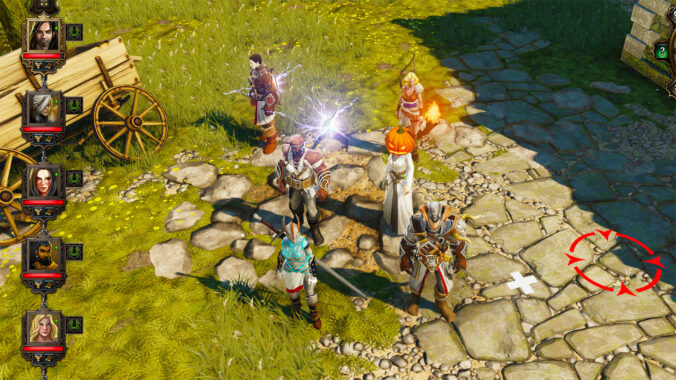
Divinity: Original Sin (2014), the fourth main entry in the Divinity game series, sits in an interesting place in modern RPG history. It arrived at a time when the genre was leaning heavily toward cinematic presentation and streamlined mechanics, and instead pushed in almost the opposite direction: systemic depth, player freedom, and a willingness to be awkward if it meant being flexible. I did finish the game at the time of its launching, both with a party of four and with two lone wolves. This time I cheated a bit: I installed a mod that allows for a party of
Tag: games (Page 1 of 3)
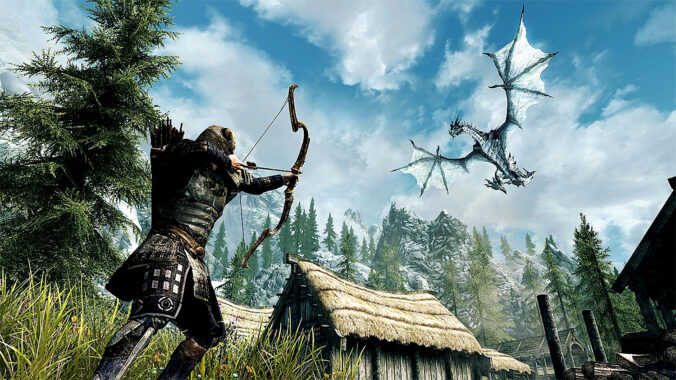
Among video game enthusiasts, especially those who enjoy CRPGs, there is often an unspoken assumption that the “right” way to play is on the hardest difficulty setting available. Finishing a game on Normal is respectable. Finishing it on Hard is admirable. Finishing it on Nightmare, Insanity, Death March, or whatever intimidating name the developers have invented this time, is treated almost like a badge of honor. I understand the appeal. Some of my favorite gaming memories come from overcoming difficult challenges. There is genuine satisfaction in mastering a complex combat system, learning enemy patterns, and finally defeating a boss that
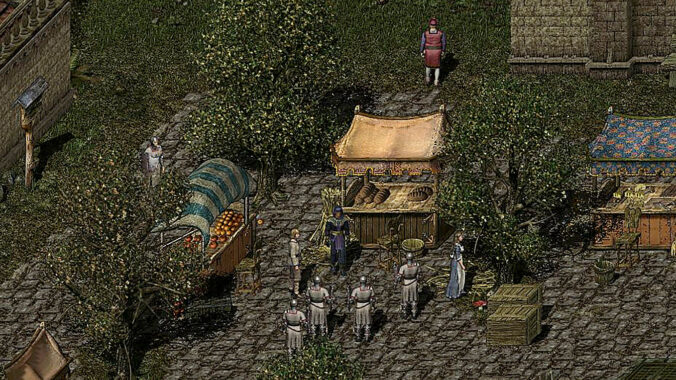
My plan was to play Larian’s Divinity series next. I had played all the games when they were launched, and was eager to return to the world of Rivellon. Then I found out that the first five games no longer work on an updated Mac computer. Fortunately, the two more recent games still work, Divinity: Original Sin (2015) and Divinity: Original Sin II (2017), and that’s what I’m going to play next, while waiting for the upcoming ninth title in the series, Divinity, which doesn’t have a launch date yet. These games are very enjoyable and also very large, and
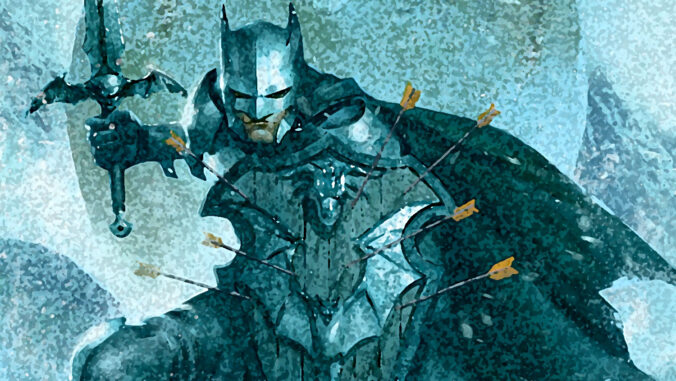
Some people asked me if all my superhero conversions to Dungeons & Dragons were from Marvel characters. Well, here is a batch of DC characters adapted to the world of Faerûn. BatmanRace: HumanClass: Rogue (Inquisitive) / Monk (Shadow) Batman’s defining trait is that he is only human. No divine blood, no arcane mutation, just discipline, preparation, and will. In D&D terms, humans best represent relentless self-perfection and adaptability. His legend is built, not inherited. Inquisitive Rogue represents investigation, deduction, and battlefield awareness. Way of Shadow Monk provides stealth, sudden mobility, and fear-based presence. Special ability: Prepared for Everything – once
In my last batch of Dungeons & Dragons superheroes, I included one supervillain. Here are a few more, for your roleplaying adventures. MagnetoRace: Mountain Dwarf (Arcane-Touched)Class: Wizard (Graviturgy or Transmutation) Dwarves are intrinsically tied to metal, stone, and craftsmanship. Graviturgy represents attraction, repulsion, and control of mass, a good mechanical translation of magnetism without modern physics. Transmutation reinforces his ability to reshape metal, weapons, and terrain. Wizardry also emphasizes Magneto’s intellect, planning, and ideological certainty rather than brute force. Signature ability: Metal Dominion – can disarm entire armies by wrenching steel from their hands. LokiRace: Changeling or EladrinClass: Warlock (Archfey)
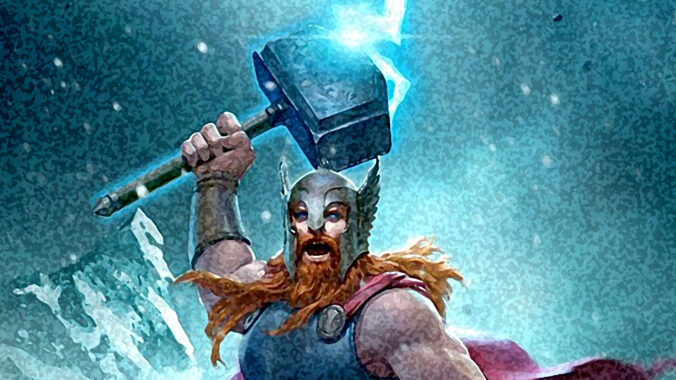
I recently played in a short Dungeons & Dragons campaign in which all the characters had to be inspired by classic superheroes, adapted to the medieval fantasy world of Faerûn. I liked the idea so much that I ended up creating a whole list of characters, and having much fun with it. Here are a few of them. The best part is that, if you don’t like my versions of these super-adventurers, you can just create your own. Spider-ManRace: Wood ElfClass: Monk (Open Hand) with a 1–3 level dip in Rogue (Scout) Wood elves have the agility, speed, and keen

Sometimes I get asked why I never mention iPad games. Well, that’s because I stopped playing them a while ago. The design philosophy in the current iPad gaming landscape is pernicious, and it made me quit. Too many iPad games today treat players not as participants but as data points in a monetization funnel. Here are a few practices that annoy me the most. Most iPad games today run on a carefully calibrated system of deprivation. No matter what you do, you’re always missing something: a few more gold coins to upgrade your hero, a handful of gems to finish
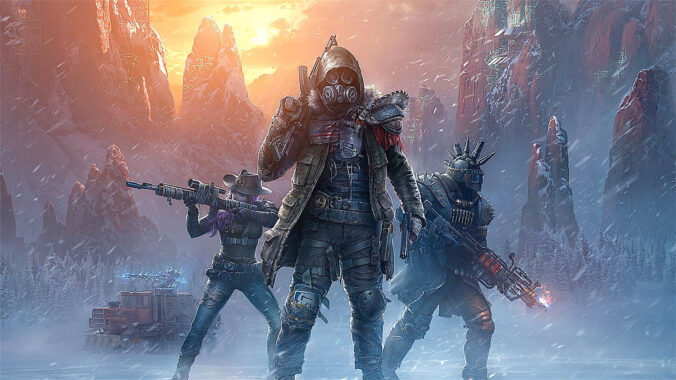
Well, Wasteland 3 is not exactly an old CRPG (it was launched in 2020), and I’m not actually replaying it (because I never had the opportunity to play it before), but after Wasteland 2 it was an obvious choice for this series anyway. The Wasteland franchise has always carried the weight of history. The original Wasteland (1988) laid the groundwork for post-apocalyptic RPGs and directly inspired the Fallout series. Decades later, Wasteland 2 (2014) revived the series with a modernized isometric format, featuring heavy text and a branching narrative. Wasteland 3 (2020), developed by inXile Entertainment, continues that revival but
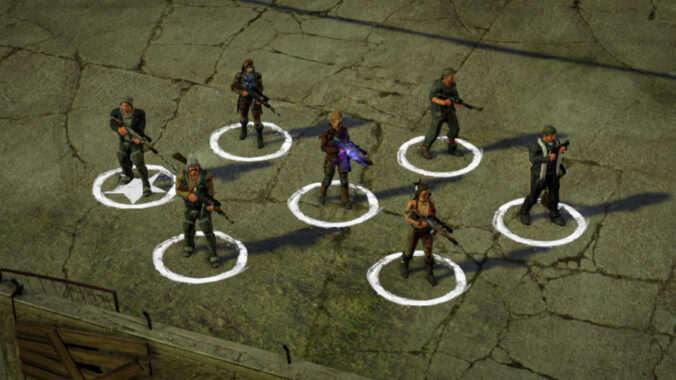
Released in 2014 by inXile Entertainment, Wasteland 2 was a long-awaited revival of a cult classic. Funded through Kickstarter and helmed by Brian Fargo (the creator of the original Wasteland in 1988), it sought to deliver a true successor after decades of dormancy. While it succeeds in capturing the spirit of its predecessor and the roots of the franchise, it also shows both its indie origins and its design ambitions. Within the Wasteland franchise, Wasteland 2 functions as both a sequel and a reinvention. Its narrative directly follows the original’s events: the Desert Rangers return, once again tasked with enforcing
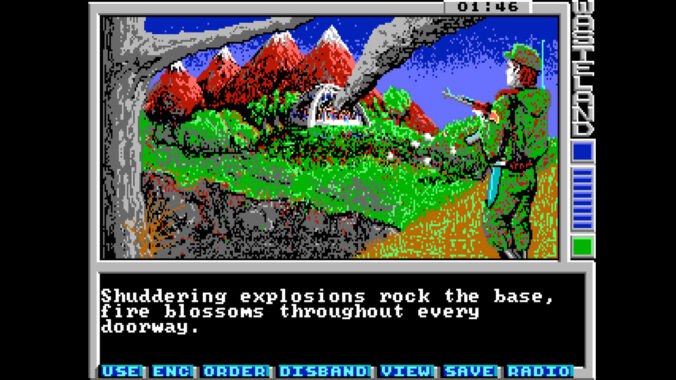
After playing the Avernum Trilogy again, I decided to go back to the old classic Wasteland and its official and unofficial sequels. It was a bit more complicated than I expected. But before getting into that, let me try to untangle the serpentine saga of these games. The history of the Wasteland and Fallout series is a tale of creative ambition, intellectual property disputes, and the persistence of a vision across decades and studios. It begins in 1988, in the twilight of the Cold War, when Interplay Productions released Wasteland, a groundbreaking post-nuclear role-playing game published by Electronic Arts. Set